Thank you to 505 Games & All in! Games for providing the early review copy.
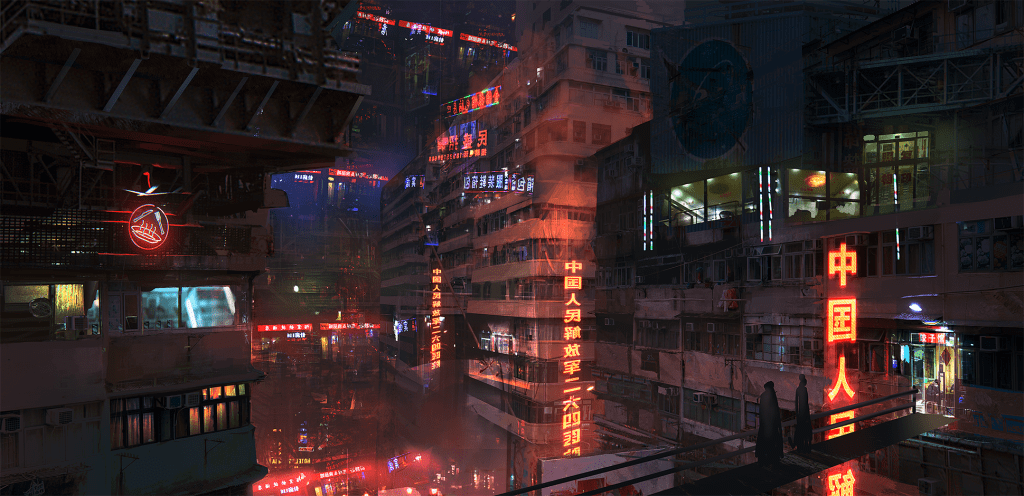
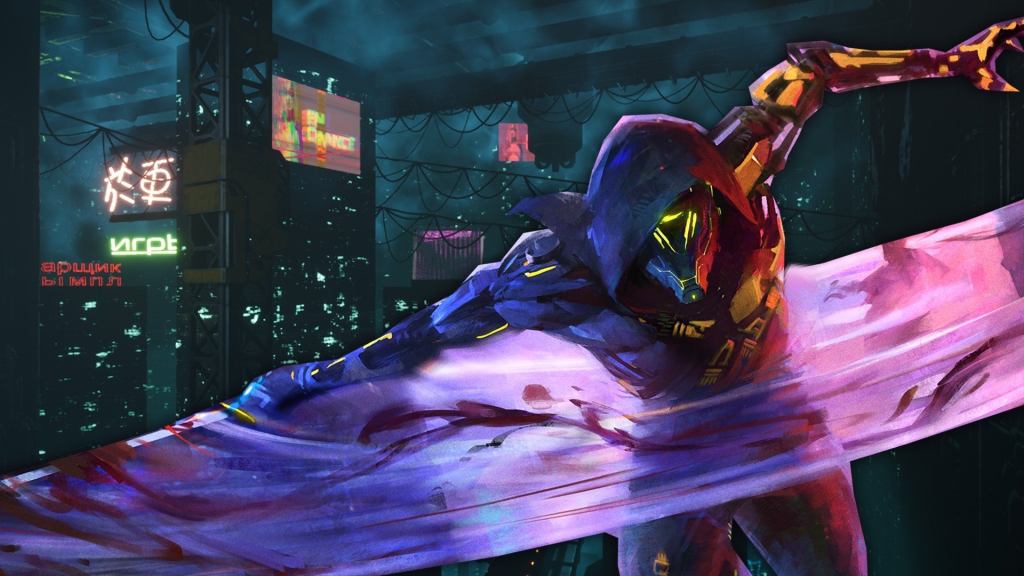
Ghostrunner is a title that I desperately wanted to love, and in some regards I do. The combination of first-person, parkour platforming in a dystopian cyberpunk setting, mixed with incredibly fast-paced combat whose difficulty is in the vein of Superhot is an excellent blend for a game, at least in theory. Two of those ingredients are superb, but there’s one that unfortunately, for the most part, tarnishes the entire experience. Because of that tainted ingredient, I was unfortunately unable to complete the game, and so this won’t be a full review with a final score; think of this as just my unfiltered, honest thoughts of the title based on the three or so hours I have played. Before we delve into that, however, the positive aspects of this game are undoubtedly worth mentioning as they are near phenomenal. To start, we’ll discuss the strongest part of the experience: combat. As previously mentioned, the combat featured in Ghostrunner draws inspiration from Superhot, yet at the same time is its polar opposite. Your character still dies in one hit, like the aforementioned Superhot, but unlike it time doesn’t only progress when you move. Instead, Ghostrunner encourages the player to constantly be on the move to avoid sustaining a fatal blow. This inverse is impeccable, and results in the combat being high-octane and adrenaline inducing. The one shot health increases the challenge, which forces the player to rely on not only speed but precision as well. The katana you brandish is the perfect weapon for this gameplay blend (although it doesn’t always work when trying to deflect bullets), and your character’s movement while dispatching enemy after enemy is extremely fluid, from running and sliding to dodging and weaving. There aren’t an absurd amount of inputs needed to pull these movements off either, as controls are minimal but intuitive. Next, let’s discuss the second compelling component of Ghostrunner: the setting. While the story is intriguing at first, I don’t know much past the initial three hours to fully judge it. However, from what I have played it shows great promise with its interesting, slightly unique premise that I won’t spoil here. The setting, though, fits the story and gameplay themes splendidly with a gorgeous digitized art-style that obviously borrows some elements from the beloved Shadow Warrior series. Furthermore the graphics, especially for a $30 USD title, are exceptional and fit the art-style perfectly. This is where my praise for Ghostrunner comes to an end though, as the final topic to be covered, platforming, is utterly abysmal and abhorrent.
Credit: 505 Games & All in! Games
I died to platforming sections at an exorbitant degree compared to gunfire. In short, the platforming level design is too intricate and requires far more precision than the gameplay mechanics allow, and the title doesn’t provide the player with any checkpoints mid-way through these sections (and before anyone asks, I’ll provide examples). The most often occurrence would be attempting a wall-run and sliding off of said wall and dying, even though my character clearly made contact with the surface. There were also instances of using the grappling hook successfully at first, but then being detached mid-transit or slamming into the hooks and falling. Other times, merely trying to scale a raised platform of unsubstantial height would result in yet another cycle of face-planting and falling to my doom. Finally, the dodge mechanic is inconsistent to say the least, as I had bullets track me through dodges and still kill my character. Ghostunner, overall, shows brilliant promise and potential with its gameplay, combat, setting and story; but is completely undermined by some of the most egregiously busted platforming mechanics I have ever experienced. I would wager a patch or rework of some of the level-design is necessary before expecting players to shell out their hard-earned cash.
Reviewed on Xbox One X (also available on PS4 & PC)
Introduction
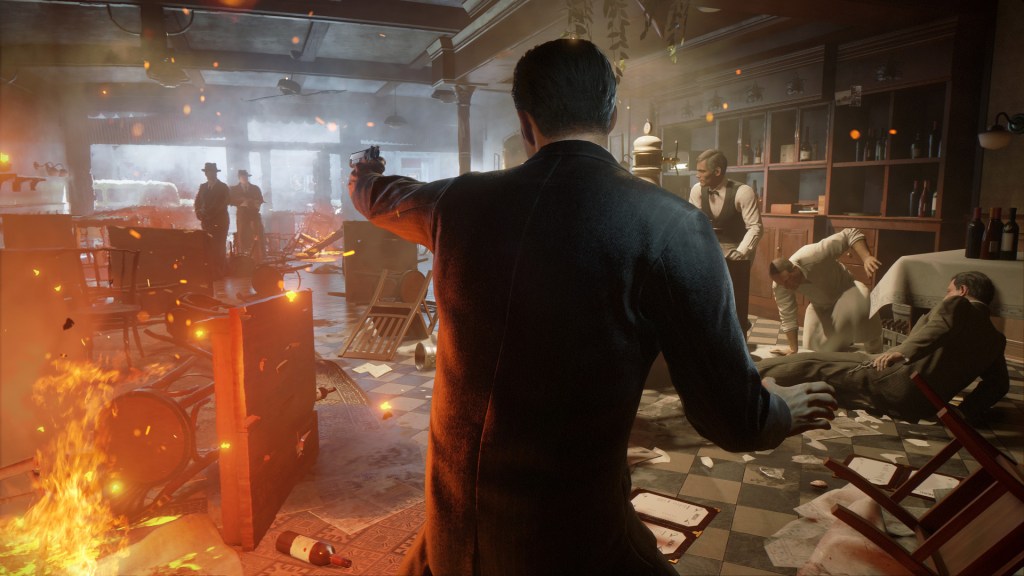
When I returned to Lost Heaven, I truly felt as if I was in a dream of pure bliss. While the camera was soaring through the skyline of the city during the iconic intro, I was blown away. With every passing second, more and more of remade Lost Heaven became visible, and every scene was more beautiful than the last. As one of the few reviewers of this game that actually played (and loved) the original Mafia from 2002, I felt like this was a love letter composed directly to and for die-hard fans of the original classic, and that was my opinion just from the introductory cinematic! When it was over and I “accepted” that infamous life-changing cab fair as Tommy Angelo, that opinion was firmly solidified. In case you don’t plan on reading the full review, there’s one thing you have to know: if we’re going by definition, this is the best remake I have ever played. It is completely faithful to the original and doesn’t majorly alter anything in the story, nor did it change any core gameplay mechanics outside of refining them for the modern day/current generation. If you played and enjoyed the original, stop reading this review and go out and buy Mafia: Definitive Edition right this second, capisce? If you haven’t and you’re unsure of what the game even entails, and you don’t rightly know if you want to make the purchase, let me take care of that; all you have to do is keep on scrolling paisan.
Image Credit: Valve/Steam
Narrative
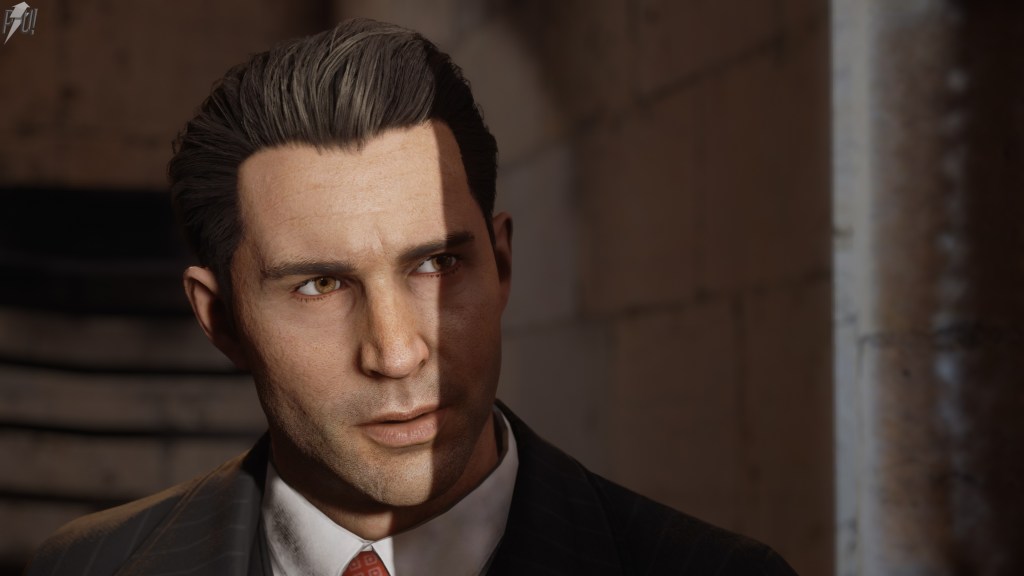
For the uninitiated, I’ll provide a brief synopsis of the early story and main protagonist to set the stage for the narrative discussion. Don’t worry, however, because even though the game is eighteen years old I won’t be elaborating on any spoilers or major plot events here. In the prologue, you start off as a cabbie by the name of Tommy Angelo, living an almost impoverished life on the straight and narrow in Lost Heaven (Chicago) in the year 1930. One night after completing a run-of-the-mill fair, you see two sharp-dressed gunmen running away from men of similar appearance who are firing on them. Rapidly running out of options, the two gunmen find you, and your cab, and put a gun to your head (this is a fair you can’t refuse). After begrudgingly complying, Tommy puts his foot to the gas in one of the most iconic openings to a game ever made, bobbing and weaving all over the place by driving like a madman in order to escape his pursuers. After losing their tail, the gunmen inform Tommy to take them back to their boss at Salieri’s Restaurant in Little Italy, where he’ll be compensated for his trouble. Tommy drops them off, and after a few tense minutes of awaiting the unknown, they come back out with an envelope of more money than he’s ever seen. Tommy got a small taste of the high life, but he wasn’t hooked just yet. He continued on the path of law abidance for a few more days, but during a fair was identified by one of his pursuers from the other night. Tommy was beaten along with his cab, but saw an opportunity to escape and took it. Running through alleyways and over obstacles, he makes it back to Salieri’s where he’s saved by the men he met the other night. After having a conversation with their boss, Tommy decides it’s time for payback, and his new life begins. That’s as specific as I’m going to get when it comes to plot details, as the real story begins after that. Nonetheless, though, the narrative exponentially becomes more and more captivating, enthralling, and exhilarating with every passing chapter. The plot and characters are incredibly well-written, with no dialogue or story beat being forced without proper build-up/exposition. Speaking of the characters, the new voice actors are phenomenal (I’d argue better than the original), especially when it comes to Tommy, Detective Norman, Paulie, and Sam; they breath believable life into their characters with every word spoken. Characters are also slightly more fleshed out than they were in the original, due to small added cutscenes that include more story details/dialogue that are a really nice touch by Hangar 13. They don’t impose themselves whatsoever, as they add more exposition and worldbuilding, along with further insights into characters such as Tommy and Sarah that were previously unseen/unknown; they are a fine addition and most welcome in my opinion. The story of the original Mafia has always been a fantastic classic and the best part of the experience, and this modern re-telling only enhances and expands upon the iconic narrative without negatively changing the soul of the beloved game.
Image Credit: Mafia Game
Gameplay
The gameplay in Mafia has always been the backdrop for the impeccable narrative, but that doesn’t indicate it’s subpar by any means. The best way I can describe the remake’s gameplay style, however, is a hybrid mix between a refined/smoother version of the original Mafia and Mafia III. It’s not bad, and although it’s not significantly altered from the original I still prefer the remake’s gameplay style, but it does have its fair share of flaws. Combat is where I experienced most of my gameplay gripes with Mafia: Definitive Edition, so that’s where I’ll start. Melee combat is nothing out of the ordinary; one of the only things worth mentioning about it is that the counter-attack doesn’t always work properly, resulting in Tommy taking an unfair hit, but it’s not a common issue. In addition, the camera can follow a bit too close to the player at times, resulting in getting struck by a melee attack out of view for instance. The gunplay, however, is solid and highly comparable to Mafia III‘s, but I feel it’s more inaccurate due to the larger crosshair present in the remake (which is a strange design choice in my opinion). This is one factor that results in the game’s hit registration being inconsistent, to say the least. A lot of the time, particularly with non handgun firearms, the crosshair will be red over an enemy but the shot will still miss when fired. This happens very often, and is pretty frustrating when it occurs multiple times in succession. Another inconsistent aspect of combat is damage received by the player. For example, majority of the time it takes four to five handgun rounds to die on normal difficulty, but there could be an instance where the player will die by two shots instead for no apparent reason. This doesn’t happen that much, but is still worth mentioning. On another two separate occasions, I burned to death from molotovs that had impacted near by but did not touch me whatsoever; there’s quite a bit of inconsistency when it comes to damage intake in Mafia: Definitive Edition. The cover system isn’t that reliable as well, as I died a few times due to the game forcing me into the wrong cover upon the input command, or because my player model got turned around by bumping into a box or crate. It works for the most part, but when it doesn’t it’s nothing short of infuriating. The final aspect of gameplay that we’ll cover is driving, and it can be extremely grueling. The vehicle handling is period accurate, but that doesn’t always allow for the best gameplay experience. Driving in the rain is painful and slow, and in a particular chase during a stormy mission is near unbearable. Regardless of rain or shine, however, civilian driver NPC’s will crash into you a lot, as their AI pathing could stand to take a tweak or two; so drive carefully. However, I am ecstatic to report that the absurd difficulty of the infamous race early on in the game has been toned down, but that doesn’t mean the problem has been solved. It’s still an awful, terrible portion to play through with your opponents’ AI still being unreasonably highly skilled. In Hangar 13’s defense, though, I don’t believe there’s much they could’ve done to fix that due to the nature of how those cars handle in real life. They could’ve removed the segment entirely, but that would’ve upset a large portion of the community. They could have, however, just made it into a cutscene; and I don’t think anyone who suffered through the original race would really mind. Overall, Mafia: Definitive Edition‘s gameplay is a modernized recreation of the original with some elements of M3 sprinkled in here and there, and I think fans will be satisfied with the final result: for the most part.
Image Credit: Valve/Steam
visuals and atmosphere
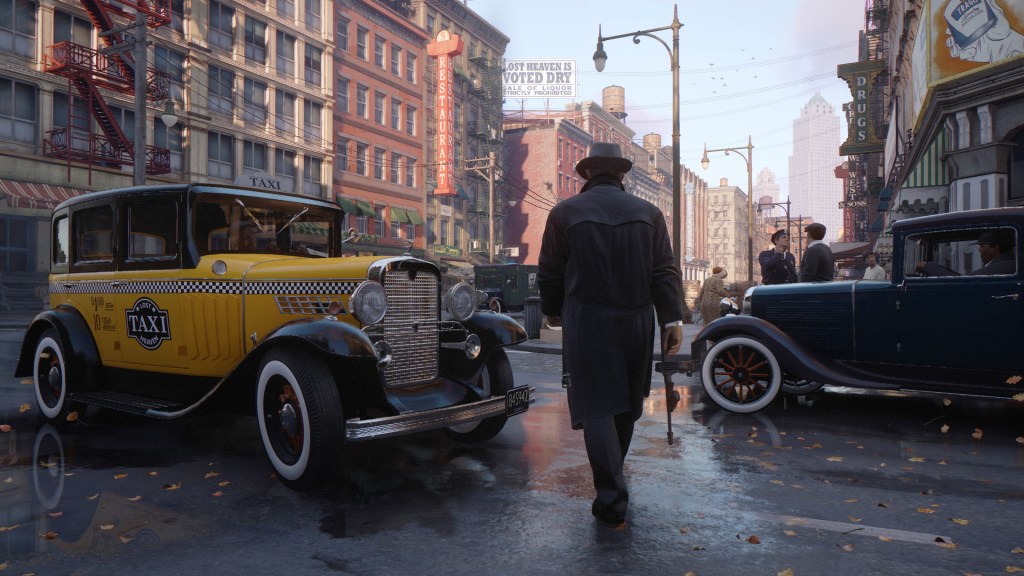
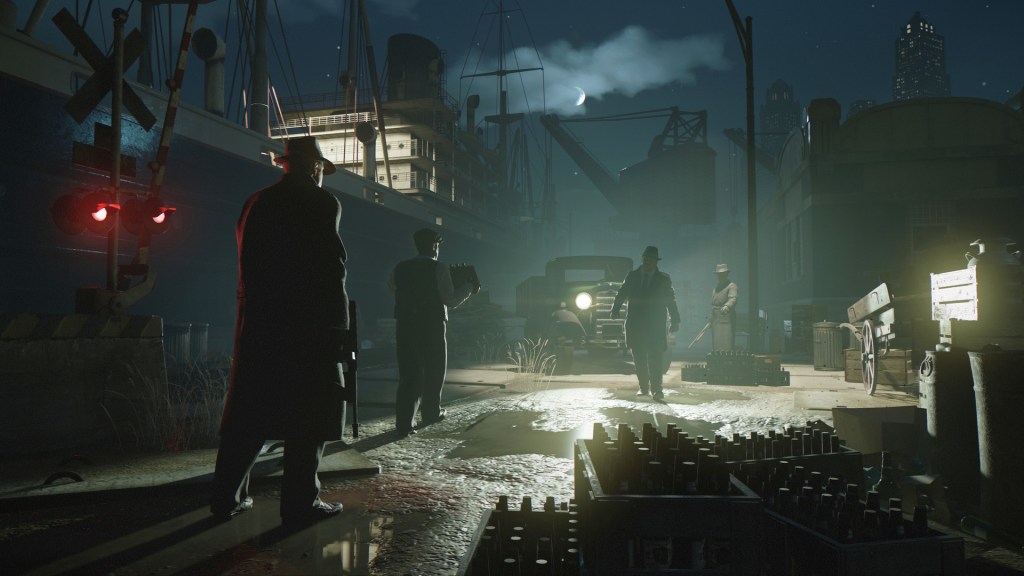
The graphics of Mafia: Definitive Edition are frankly a sight to behold. Beautifully rebuilt from the ground up, the city of Lost Heaven radiates the new life that has been bestowed upon it. The lighting, shadows, foliage, buildings, streets, car models, character models, gun models, and everything in between is magnificent compared to the original, and is still a significant upgrade from Mafia III to boot. In particular, the gorgeous weather effects instituted further illustrate the attention to detail of the remake, and even the skybox has seen a massive improvement from M3 as well. Even though completely remade, the game world still retains the immersive, gritty yet classy atmosphere of the original Lost Heaven. It hasn’t skipped a beat; and new, small added details such as your car radio becoming muffled and cutting in and out while you’re driving through a tunnel are appreciated, and only further enhance the immersion. Furthermore, the soundtrack only bolsters the experience, as the re-recorded orchestral score shines brightly in the title whenever it’s present. The radio stations have some great period-appropriate tracks as well, and although there are only two stations in the title it gets the job done well. The atmosphere that Lost Heaven provides is still the same wondrous work of art it always has been, and the modern visuals only enhance and exemplify that.
Glitches
It gives me a lot of joy to say that I only experienced two glitches throughout my entire playthrough of Mafia: Definitive Edition, and they were just minor bugs at that. Stealth wasn’t always accurate in my experience, as I got spotted from behind cover on two separate occasions. The checkpoints were not far behind me, though, so it wasn’t that much of a problem. The other glitch I experienced annoyed me a bit more as it happened so fast. It was during another stealth mission, where an enemy had spotted me out of the corner of his eye. Before I could even react, I was shot, which raised the alarm resulting in a mission failure. The problem? The gun wasn’t even in the enemy’s hands when he shot me, only appearing afterwards. It was completely unfair and a load of bull, but this only happened once so I digress. Mafia: Definitive Edition is nearly glitch-free, which you can’t necessarily say about most modern releases. Well done Hangar 13, this is a significant improvement from Mafia III.
Image Credit: Valve/Steam
Conclusion and final score
As I said in the beginning, Mafia: Definitive Edition is by far the best remake I have played up to this point in time. It is one-hundred percent faithful to the original, not altering the story in any way besides providing some more minor exposition and detail regarding beloved, classic characters. The gameplay is still a bit rough around the edges in certain places, but overall is a gigantic improvement over the 2002 original and is by far more accessible. The visuals and graphics have been completely rebuilt from scratch, but was done so with the utmost respect for the original, and in doing so retained the same incredible atmosphere. The experience wasn’t tarnished by an exorbitant amount of glitches either, as the only ones present are miniscule in the grand scheme. Mafia: Definitive Edition has reignited the fire of this slumbering franchise, and I must thank Hangar 13 for that. I won’t lie, I thought the series was nearly dead after Mafia III, having completely lost its identity and what made Mafia “Mafia”. But I believe in second chances, and this remake shows that Hangar 13 has finally come to realize what makes this beloved IP so special to so many. For the first time in a long time, I’m highly optimistic about the future of Mafia, and I can’t wait to see where the franchise goes next from here.
Thank you to Crytek for providing a review copy. (Reviewed on PC)
Introduction
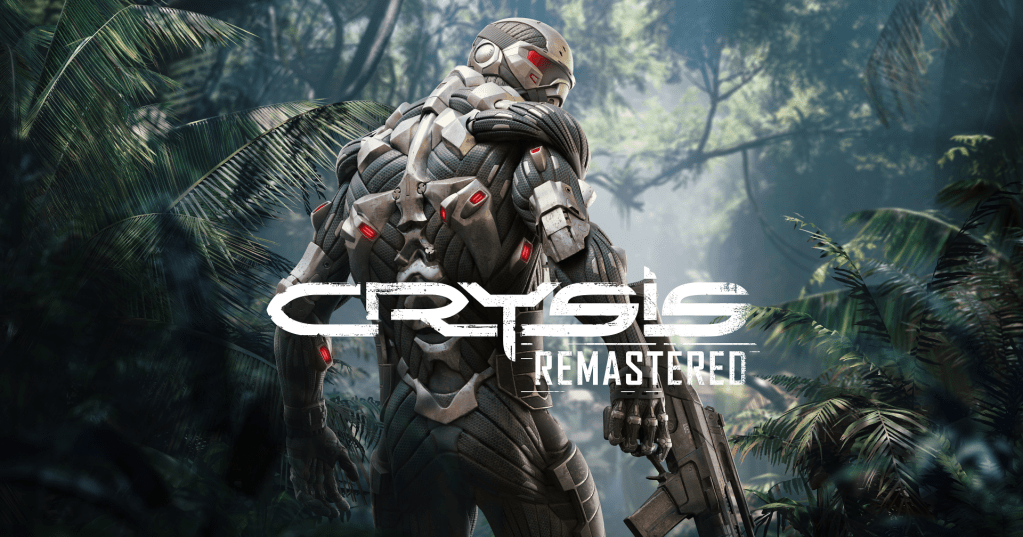
First off, I want to make it clear that this review will be based on the merits of this title being a remaster, not necessarily the content of the original game itself. This review will also be short in comparison to other titles that have been covered here at TGP, as Crysis Remastered is an abhorrent technical disaster (so much so that it prevented me from completing the game in its entirety). The fantastic core gameplay, level design, and open-ended nature of the title and its mechanics are all still there, but that doesn’t make up for the numerous blaring flaws that are littered throughout. In short, stick to the original Crysis if you’re interested in another playthrough, as this remaster will leave you feeling sheer disappointment.
Image Credit: Crytek
Narrative, Gameplay, and Graphics
We all know the story of the original Crysis, but I’ll briefly discuss it here regardless. You are part of a United States spec ops team kitted out with futuristic nanosuits, which give you massive advantages over your enemies such as more armor, a cloaking function, a ludicrously fast running speed, and super strength to name the main abilities. You and your team are then dropped into North Korea to rescue a team of archaeologists, who went dark and are presumably being held hostage by NK leadership. However, not all is as it seems on the surface of the island, as something long forgotten buried beneath has awoken. I won’t spoil anything further, but in short the story gets the job done while being nothing to write home about. The gameplay, however, is always where Crysis has shined brightest. It’s incredibly fun, and requires solid strategy and decent marksmanship to survive encounters/ambushes. These combat scenarios are usually unique, forcing the player to adopt new tactics to come out on top. In particular, I recall playing a game of “cat and mouse” with cloaked enemies that had acquired their own nanosuits in a foggy graveyard, and switching from hunter to hunted while awaiting evac was exhilarating. Most combat scenarios, however, much like the level design itself are open ended; so you can attack the majority of objectives in any manner that you choose. Furthermore, checkpoints are limited compared to modern shooters, but that adds additional challenge which I personally welcome with open arms. There are some instances, though, where hit registration can be a bit finicky, and that combined with some enemies being bullet sponges is immensely frustrating (be sure to always aim for the head). When it comes to the topic of visuals, mostly everything has been enhanced but not to an extreme degree. However, the lighting, water reflections, foliage, shadows, and textures have all been noticeably enhanced, but not as much of an improvement compared to other remasters of late (especially when the game in question is thirteen years old with the original still being a viable option for players). Unfortunately, I have no further praises for Crysis Remastered, as the rest of this review will be a well-deserved critique.
Image Credit: Crytek
Glitches, Glitches, and Glitches
To put in bluntly, this is the most broken remaster I have ever played and should have never been released in this state. I played this on a high-end PC and had a myriad of issues, but apparently the Xbox One X version is completely unplayable to boot (not much word on PS4 performance, but I wouldn’t hold out any hope for a better experience on there). In fact, I suffered through so many blaring glitches that I truly wonder if there was ever any QA Testing done whatsoever. Below are the technical bugs I witnessed in my time with Crysis Remastered:
Game crashed as soon as I started a new game four times, even after updating drivers and lowering settings
Forced to play game on medium settings so it wouldn’t crash on startup, even though my rig is absolutely capable of running a game from 2007 (even though remastered) on higher settings
Instances where random shadows glide across the ground for no reason
A lot of pop in and pop out
Flickering textures (especially with trees)
Egregious audio skipping
Enemies driving invisible vehicles
Enemies spot you through walls from yards away
No subtitles even though I enabled them
Unnecessarily long loading times
Instance where game black-screens on loading into mission, requiring restart
Conclusion and Final Score
I can definitively say that Crysis Remastered is not worth the purchase at this current moment in time. Although the core gameplay is still incredibly solid and intuitive with a slightly interesting premise as the backdrop, you can still find and play that in its entirety with the original game (which still looks fantastic, by the way). This remaster has no benefits or advantages over the original release of the title, as you’re essentially paying for a glitch-ridden downgrade. If the issues listed above are patched then the visual enhancements would probably make the game worth the money at a slight sale, but until then I cannot recommend this game in good conscience. This should have spent a few more months in QA, and absolutely should have been delayed and pushed back much further than it initially was. Overall, Crysis Remastered is the most busted remaster I have ever played, and is unbearable alongside being practically downright unplayable.
Available on PS4, Xbox One, and PC (Reviewed on Xbox One X)
Introduction
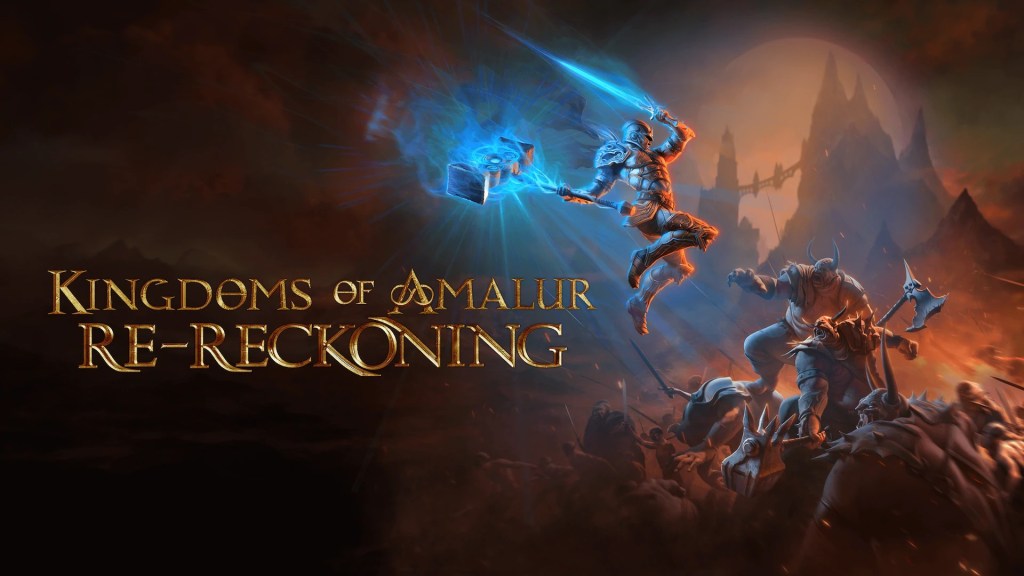
When I first jumped into my playthrough of Kingdoms of Amalur: Re-Reckoning, I was genuinely excited. I personally never had the opportunity to play the original back when it released in 2012, but I had a very few select couple of friends who did. Back then, especially with one friend in particular, I was told that it was an incredible RPG that could go toe-to-toe with the likes of world-renowned titles such as Skyrim. Being only a kid, I took their word for it but still never spent the money to try it out for myself. Over the following years, I started to believe I may have missed out on something truly special. With a game that was designed by Ken Rolston (Oblivion), with art created by Todd McFarlane, and a story penned by R.A. Salvatore, how could it not be spectacular? Well, after all of this lost time I finally caved and pre-ordered Re-Reckoning, hoping this enhanced, remastered version would have made the long wait worthwhile. It is worth mentioning, however, that we did receive a review copy as well courtesy of THQ Nordic, but it arrived later than my own personal copy which is what this review will based off of. So, was fate kind and bestowed a title of the ages upon me? Or is KoA just an average, run of the mill RPG experience?
Image Credit: Valve/Steam
Narrative
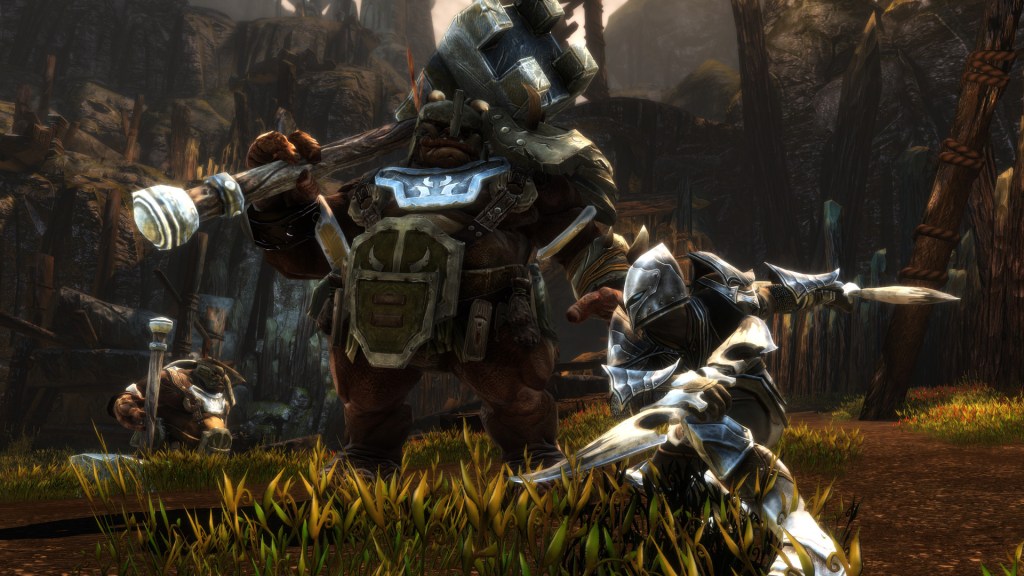
Story and lore are by far the most important components of a role-playing game in my opinion, so I feel it should be discussed first. Don’t worry about any spoilers though, as you won’t find any here. When you first awaken from death and are thrusted into the war against the evil Tuatha, the story that is presented to you is initially intriguing. The exposition of the seemingly deep lore and world is done well, and did captivate me with compelling backstory and characters; but those feelings were fleeting. As I progressed through the game, I lost interest in all of this over time as it failed to keep me enthralled all the way through. By the conclusion, I ended up not caring all that much about the world and found it to be mostly unremarkable and not that memorable. I wasn’t encouraged to find out more about the world and its lore-filled mysteries either, as most of those details are behind quick one to two sentence conversations with generic NPCs you’ll find in any RPG (whose dialogue was boring enough to the point where I would just read the subtitles quickly and not let them finish talking). The main questline is by far the best storyline in the title, but I’d say objectively it’s just okay; nothing exceptional. However, choice is a complete illusion throughout the main quest, which is extremely counter-intuitive considering the premise of your character. Without delving into spoilers, the entire world of Amalur and its inhabitants are governed by the laws of fate, with all destinies being predetermined at birth. When your character rises from the dead at the beginning of the game, you quickly find out that you are immune to the cycle of fate, and that you have the power to turn the tide of the war and restore peace to Amalur in the face of a generic villain with generic world-conquering goals. Unfortunately, that’s all for show, as the main questline’s events are set in stone from start to finish. The only thing you can alter is the dialogue spoken, even with a maxed out persuasion skill which I had (and soon realized was a waste of all of my leveling). There are certain choices presented to the player that actually do make a difference in the way events play out, yet these choices are reserved only for the faction side questlines, and usually only pop up at the end of said questlines with just two possible paths to pursue. There are multiple factions throughout the game, five by my count, yet I only found one of them (The House of Ballads) to be unique. The rest were, like many other narrative aspects of this game, generic; to the point where I could draw similarities with other RPG faction questlines left and right. If these faction quests were more fleshed out and possibly a little longer, they could have easily become the best narrative component of the game, seeing as how your choices actually have an effect here. Besides the main quest and factions, there are plenty of standard side quests as well: but they are just as numerous as they are bland. They usually consist of uncompelling fetch quests used to fill up the game world and justify the existence of certain NPC’s, but nothing more. To be candid, these side quests felt as if they belonged in an MMORPG. Overall, I expected a much more in depth plot with varied choice and multiple, sprawling outcomes typical of a single-player RPG, but I was disappointed in what I found instead.
Image Credit: Valve/Steam
Gameplay and Atmosphere
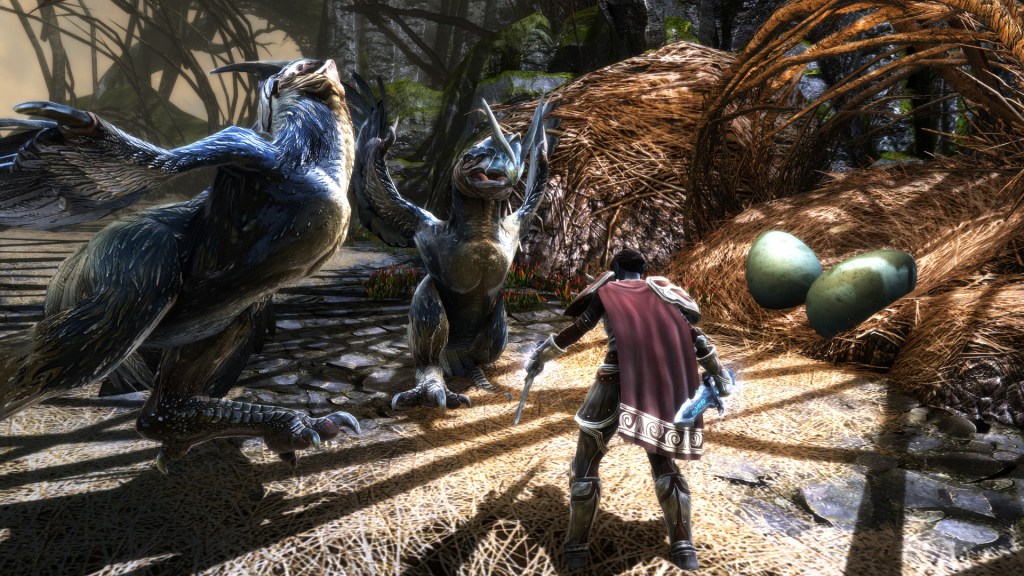
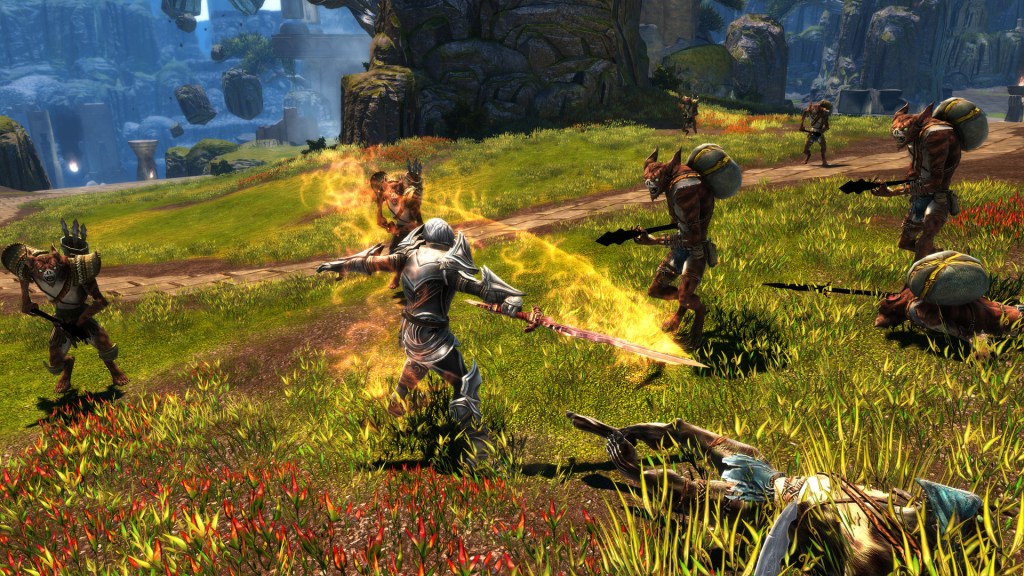
If I had to sum up the gameplay of Kingdoms of Amalur: Re-Reckoning in one word, it would have to be “average”. At first, combat is easy to grasp and fun with varied animations, move sets, and executions; but becomes extremely basic and overly repetitive very early on. Most of the time you’ll just be mashing X, Square, or Left MB to do your standard attack, as the damage of your special abilities (even when fully upgraded) is negligible. Additionally, while although rarely, sometimes attacks won’t even register: seemingly phasing through your enemy combatants. Furthermore, you will be ganked (outnumbered by opposing enemies) all of the time in combat, and it can be difficult to get attacks in since every time you take a hit you get stun locked, which can be stacked if you continue to get hit while stun locked. Assuming you’re proficient at timing your dodges and blocks, however, it still doesn’t matter; since there are some enemy attacks that are both unblockable and undodgeable, leading to cheap forced damage and our first example of artificial difficulty in KoA. Outside of clashing blades, the rest of the gameplay doesn’t seem to fair much better either. The game is open world, yet this has to be one of if not the most linear open world game I have ever played. There are large areas spread throughout the land of Amalur, but there are specific pathways connecting area to area that you must travel through in order to gain access to them. Even after unlocking fast travel locations, you’ll be retreading the same ground quite often: expect a lot of running around. The locales of the different regions are diverse enough from each other, but there isn’t much variation whatsoever when it comes to areas within those regions. This is most noticeable when it comes to areas such as dungeons or caves, as most of these look identical and definitely copy and paste some assets, leading to these locations becoming chores after about five hours in. The world in general, though, feels empty and desolate. It doesn’t feel lived in, with most open spaces filled with nothing but repetitive enemies of varying color pallets, with NPC’s relegated to towns only. It’s incredibly rare to find NPC’s outside of a settlement in the wild, I believe I only found two throughout my playthrough. Speaking of NPC’s, sometimes you will have one or two follow you for the duration of a quest, acting as a temporary companion of sorts. This is a curse more-so than a blessing, however, as they follow way too close to the player. This leads to frustration when you’re attempting to loot items and the NPC’s dialogue options repeatedly open up instead. These follower NPC’s also seek enemy engagements that the player may be trying to avoid/sneak past, which also leads to anger. If you do manage to pick up your loot, you’ll be immediately greeted with yet another annoyance. Inventory space, even though upgradeable, is extremely limited. Although most egregious in the early game, this problem will latch onto the player for the duration of their entire playthrough; requiring constant management and providing an insanely irritating gameplay loop. Before we discuss atmosphere, I did want to mention that the lockpicking in the title is inconsistent, and possibly broken to say the least. For one example, lockpicks used on average difficulty chests break just as easily as they would on hard difficulty chests, sometimes even easier. Another thing I would like to mention is that there is a massive artificial difficulty spike at the second to last main quest, which forced me to reload a save and do monotonous side activities to level up my character. There was no gradual progression of difficulty, in fact I was wiping the floor with everything prior to this, but the difficulty just jumps insanely high for no natural reason. This was clearly instituted to pad out the game’s length, a development strategy that I’m firmly against. However, it could also be due to the game being ridiculously easy outside of cheap ganks, as I only died once on Normal difficulty (which was due to my own idiocy, as I tried to grab loot out from under some man-eating, two-shotting plants). Despite all of these criticisms, one thing the title radiates with is passion, with a glorious art style and ambient music as the backdrop. They mesh together beautifully, and compliment each other swimmingly. It sets a wonderful sense of fantastical atmosphere, and even though visually dated is still a treat to look at and listen to throughout the player’s journey. The atmosphere is further bolstered by unique and interesting character models, whether they are enemies or non-hostile NPC’s: undoubtedly courtesy of Todd McFarlane. The gameplay does indeed have many faults, but it isn’t downright terrible; and the engaging atmosphere makes it a bit more worthwhile to deal with.
Image Credit: Valve/Steam
Content
At an asking price of $39.99 USD, the content on offer within Kingdoms of Amalur: Re-Reckoning is proportionate to the cost, that is only if you find the title enjoyable enough to continuously play it. I completed my playthrough at level 23 after 18 hours of gameplay, though for completionists it could take roughly upwards of 40 hours (personally, I don’t believe the game warrants a 100% playthrough, but to each their own I suppose). Additionally, all armor DLC and both story expansions are included as well, which provides approximately 5-15 hours of additional content depending on your playstyle and speed.
Performance and Glitches
In terms of performance, the game runs buttery smooth for the most part, however I did experience around three instances of frame drops throughout my playthrough. When it comes to the topic of glitches, though, I experienced a massive amount. They’re mostly minor, but combined they become an enraging irritant. The glitches and bugs I encountered in Kingdoms of Amalur: Re-Reckoning are as follows:
Dialogue with no sound
Dialogue with overtly loud sound
Dialogue in general is quiet compared to other audio for seemingly no reason
Dialogue can be heard from far away if a voice line has yet to be finished and the player leaves the area
Audio glitch upon game start-up where all sound is absurdly loud and staticky, genuinely hurting my ears momentarily
Infrequent but noticeable screen-tearing
Several instances where player character’s lower body is invisible upon loading a save-game
Forced a very easy lock with a 100% success rate due to skill and lock pick still broke, the chest remained locked
Two instances where the game black-screened and crashed to Xbox dashboard (once during the final boss of the main quest)
Image Credit: Valve/Steam
Conclusion
To be blunt, Kingdoms of Amalur: Re-Reckoning was not the game I expected it to be at all. With the creative powerhouse that was responsible for it when it was originally developed by Big Huge Games, I thought that when KAIKO remastered it I was in for a treat. Sure there were some compelling aspects of the game, particularly the atmosphere, but the story and gameplay provided offer nothing out of the status-quo for RPG’s. On top of the myriad of poor design choices and rampant glitches, the boring and bland world of Amalur was a major detraction from my enjoyment of the title as well. KoA clearly had passion behind it, but that means nothing without the proper ambition. I wanted so much more from Kingdoms of Amalur: Re-Recknoning, but I was unfortunately let down by a slightly above average experience in a world beaming with untapped potential.
Thank you to Daedalic Entertainment for providing a review copy for the Xbox One.
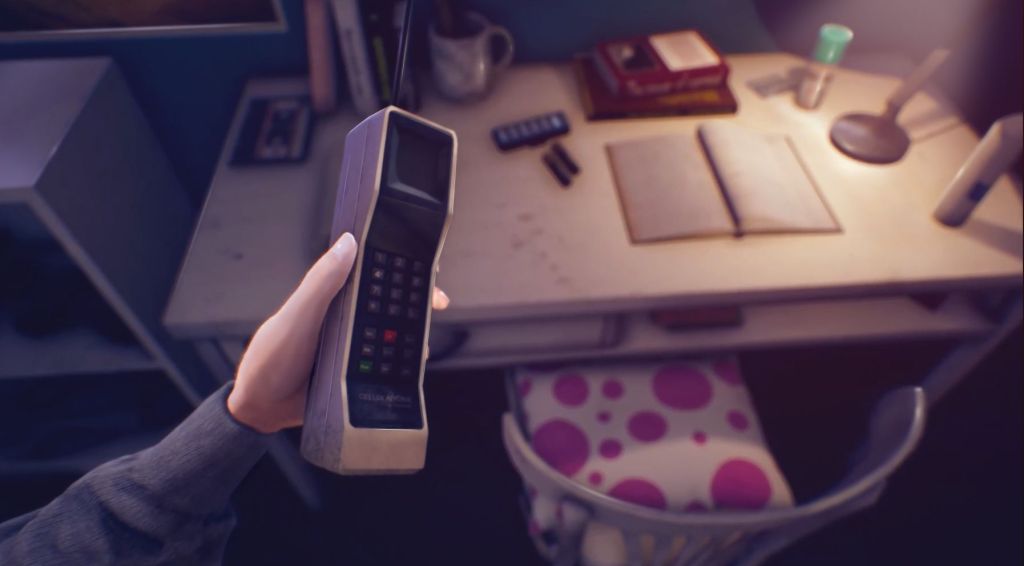
“Coming back to the family hotel after years, a young woman finds herself trapped with the ghosts from her past and an old cellular telephone as the only way to unveil a terrible truth.” If you were left intrigued by that synopsis, do not go into this game with the expectation that its going to be an action packed horror game. On top of that, don’t be alarmed by the name, the game doesn’t dive that deep into the theme suicide. It is mentioned a few times but the game focuses much more on the mystery around her disappearance. The Suicide of Rachel Foster is just a walking simulator, but that isn’t a bad thing because its a good walking simulator.
Gameplay
Walking simulators have always been a weird guilty pleasure of mine. Sure, the game-play loop of just walking may be incredibly repetitive but the strong narratives and interesting environments always come on top for me. Games like Life is Strange and Until Dawn nail this while also finding ways to keep the game-play interesting. The best way for me to describe The Suicide of Rachel Foster would be if Gone Home and Firewatch had a baby. Remember the walkie-talkie in Firewatch? The Suicide of RachelFoster has a very similar mechanic, just this time it is with a cell phone. You can talk about objects you see in the hotel over this phone which is the main way the game tells its story. You can also interact with objects in-game by picking them up but they usually lack details and they never seem to have the same level of interactivity that a game like Resident Evil 7 does. There isn’t any point in general to interact with objects that don’t have a phone symbol next to them. There are a few tools that you get throughout your play-through including the phone, a map, a crank flashlight, and a few other objects that I won’t spoil.
Credit: Daedalic Entertainment
Narrative
The game starts off with the protagonist, Nicole, flipping through the pages of an old letter from her deceased mother. This letter gives backstory as to why Nicole is going back to the old family hotel and how Rachel Foster is connected to her. A major snowstorm ends up trapping you at the hotel, causing you to be stuck there. You receive a phone call from Irving, who says he is a FEMA agent. Even though you are “alone” in this giant hotel, you have Irving to keep you company over the phone. As your time in the hotel gets longer, things start to get creepier. I won’t go into detail due to spoilers but this game never turns into a horror game. However, things do get very creepy in a way that reminds me to how I felt when I explored the house in Gone Home. You may get anxious at times but don’t expect Jack Baker to start chasing you around the hotel. As you start to solve the mystery of Rachel’s death, more twists occur causing you to rethink everything you thought that you knew about the characters.
Visuals
The initial art style definitely takes inspiration from Firewatch. Unfortunately, it is only the initial art syle. The Suicide of Rachel Foster uses a hideous depth of field blurring setting that can not be turned off. Its essentially causes stuff to completely blur in the background to make what is closer to you stay clear. The only game that I can think of that did something similar to this was Grounded. There is also major head bobbing that can not be turned off. I felt sick for the first half an hour of my play-through. I eventually got used to it but it is definitely something that brought the review score down. Animations are also fairly limited. When you do an important interaction, the game usually zooms the camera in really close outside of the first person perspective. You can see what Nicole is interacting with but you can never see more then her arms.
Credit: Daedalic Entertainment
Glitches
I am happy to say that I didn’t have that many glitches during my play-through. The only problem that I can remember was that my head would occasionally bob up and down really quick when squeezing through a small door/vent.
Conclusion
After about three hours with The Suicide of Rachel Foster, I can say I thoroughly enjoyed it. Obviously keep in mind that I am someone who enjoys walking simulators, but it is one of the better ones that I have played. Of course it has its flaws, but the positives of the narrative outshine those. If you are someone who has enjoyed playing walking simulators in the past, then I recommend paying the $19.99. If you have never played a walking simulator before, maybe write this down on your wish-list and wait until it is on sale.
When the original Kingdoms of Amalur: Reckoning released on February 7th, 2012, it quickly and unfortunately faded into obscurity. At the time, regardless of how many chose to play it, the game was generally loved by all of those who gave the title a fair shake. Over time, the title developed a cult following and a loyal one at that, eagerly awaiting more from the hidden gem. Fast forward to the present day, however, and their wishes have been granted. Developed by Kaiko and published by THQ Nordic, Big Huge Games’ Kingdoms of Amalur: Reckoning is back. Re-branded and remastered as Kingdoms of Amalur: Re-Reckoning, this version of the original game bundled with all previous DLC content has been enhanced for the current console generation and PC. For now all I can give are my initial impressions of the title, since I haven’t had adequate time to pen a review; as our review copy arrived later than expected and I had to purchase the game for myself. However, a full review will be out very soon and posted over this coming weekend. Without further delay, let’s see how my first three and a half hours adventuring across Amalur played out.
Image Credit: Valve/Steam
Story, Gameplay, and Visuals
Firstly, I’d like to establish that this is my first time playing through Kingdoms of Amalur, so the narrative and lore (obviously along with all other aspects of the title) are completely new to my eyes. That being said (and without detailing any spoilers), the story immediately intrigued me and as I played through the opening of the game I found the narrative and lore to be increasingly compelling. The characters you’re introduced to provide meaningful exposition, and the conflict/world you’re thrusted into delivers a sense of urgency that personally made me invested in the title almost instantaneously (undoubtedly due to the writing of R.A. Salvatore). Upon completing this opening sequence, the world of Amalur and all of its Kingdoms await you. This is an open-world title in essence, however it has to be one of the most linear open worlds I’ve ever played through. While not entirely a negative aspect, I feel it does the game a massive disservice. Most of the gameworld is filled with large, open areas to journey through; but said open areas are connected by linear, compact connecting pathways. Unlike titles such as Skyrim or The Witcher 3 where you can travel from locale to locale in any manner/path that you choose, KoA doesn’t provide that extent of freedom for exploration. As a result, you’ll be retreading the same ground quite often. However, this isn’t as terrible as it sounds since the game world’s art style and ambient soundtrack is the backdrop for your questing, and oh is it beautiful. Sure it’s nowhere near photo-realism, but it isn’t trying to be whatsoever. It works wondrously for the fantasy setting, and to be candid I love it. Of course while out in the wilds, however, you will eventually come across something or someone that wants to kill you mercilessly. There are plenty of weapons/magical abilities at your disposal to engage in some fun yet easy to grasp combat, but it is incredibly simplistic. Most of the time (if your main weapon is of the melee variety) you will just be mashing x/square until your enemy is no more. Unfortunately, this can turn frustrating as there is a rare occurrence where an attack will do no damage whatsoever, seemingly phasing through enemy combatants. This, combined with enemies constantly stun locking the player with every hit while being ganked, is abhorrent. After defeating your adversaries, most will drop gold, weapons/armor, or some other form of loot. This, unfortunately, leads to two extremely irritating issues I have with the title. First off, if you have an AI companion following you, they stick to you like glue and as a result you will be constantly entering dialogue with them while you’re just trying to grab a dang sword. Additionally, once you successfully loot said item, you’ll be lucky if you can even keep it. Although upgradeable, inventory space is very limited and will require constant management in the early game. Luckily, though, KoA runs smoothly despite all of these complaints; I have yet to experience even a single frame drop.
Image Credit: Valve/Steam
Glitches and Technical Issues
There aren’t many bugs in KoA, as I’ve only been able to identify two thus far. The first, and mostly insignificant glitch of the pair, is some infrequent screen tearing. Throughout my near four hours played, I’ve only suffered through it twice. However, there are an immense amount of audio issues to the point where it’s egregious, and I’d argue almost completely busted. The following are the audio glitches I’ve already struggled through myself:
Dialogue with no sound
Dialogue with overtly loud sound
Dialogue in general is quiet compared to other audio for seemingly no reason
Dialogue can be heard from far away if a voice line has yet to be finished and the player leaves the area
Audio glitch upon game start-up where all sound is absurdly loud and staticky, genuinely hurting my ears momentarily
Thank you to Activision for providing a review copy. (Reviewed on PS4 Pro)
Introduction
When I first launched Tony Hawk’s Pro Skater 1+2 for the first time, I was near immediately launched into pure serenity. Seeing that title screen again set to that classic soundtrack, I already knew that this was going to be everything that I wanted it to be. Sure I may have been partially blinded by nostalgia, but that didn’t last long whatsoever. As I went through the tutorials to re-familiarize myself with the controls and then went on to play through the parks, I was met with an impeccable game. Of course I had to take playing all of the Tony Hawk games growing up into consideration in the interest of remaining objective, but even if I didn’t play said titles my opinion of this release would remain the same. THPS1+2 is a masterfully executed recreation of the two hit classics, and quite possibly the most faithful remake I’ve ever played.
Credit: Tony Hawk Game
Graphics and Visuals
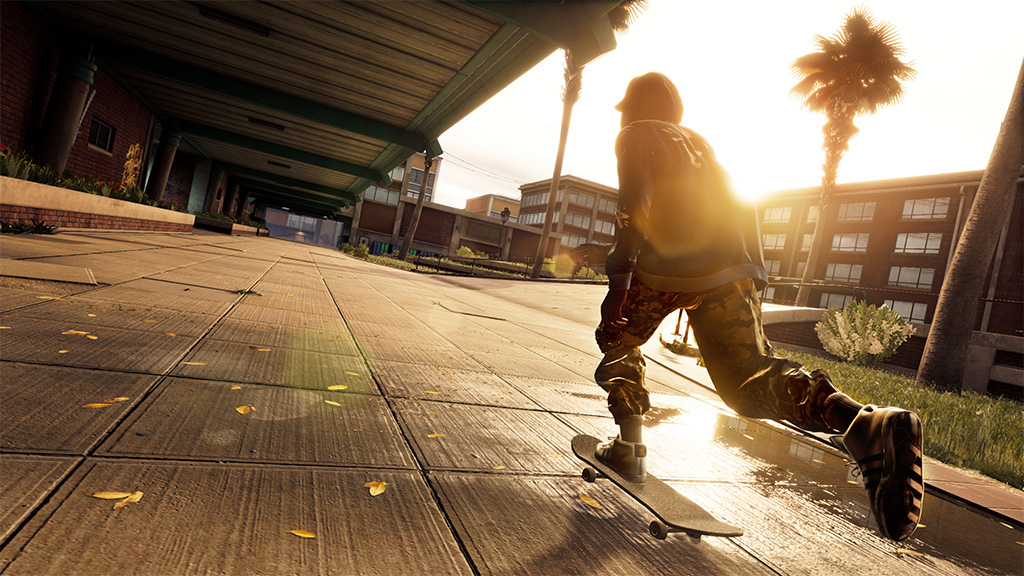
When I made my 2020 return to the iconic School in Tony Hawk’s Pro Skater, my jaw nearly dropped. While the graphics aren’t up to the level of the highest-budget triple A titles made today, they have no reason to be. Especially for a $40 title which contains two games from the PS2 era remade from the ground up, the graphics on display are beautiful. Just about everything has been improved visually in every way possible, you name it. Lighting, shadows, water effects, textures, frame rate, visual fidelity; the improvements are incredibly vast and just as numerous. Vicarious Visions clearly paid close attention to what made the originals stunning back in the day, and simply brought that back and greatly enhanced those aspects for the modern age.
Credit: Tony Hawk Game
Gameplay and Content
I’ll start this section by letting the purists out there know that if you’ve played the originals, it’s nearly identical. To make it explicitly clear for any newcomers, however, that is an amazing thing and nowhere near being considered a con. The game/skating mechanics are solid and work near flawlessly majority of the time. Additionally, and as I mentioned previously, there are very intuitive tutorials as well to hone said mechanics and practice to your heart’s content. Whether you’re stuck on a park challenge or just need a quick refresher, the tutorials are genuinely useful. However, these mechanics mean nothing without using them to perform insane tricks, which I’m happy to report there are a massive amount of. It’s never been more fun to learn, master, and build custom creative combos out of the near countless amount of moves available. If you ever encounter any frustrating obstacles you just can’t seem to get past, however, Vicarious Visions has you covered for that as well with Game Mods. Game Mods are completely optional features toggled from a sub-menu on the main menu that make the game much easier for newcomers, and although I personally didn’t utilize them they are a welcome addition. For me, the challenge is a massive, necessary part of the experience. The feeling and drive the game instills of wanting to improve my ability and increase my high scores provides an immense amount of replay value; finally landing a trick or a crazy combo I was struggling to pull off is unbelievably satisfying. Speaking of replay value, though, Tony Hawk’s Pro Skater 1+2 is filled to the absolute brim with it. There is a staggering amount of content: the nine parks from THPS1 along with the eight parks from THPS2 with all of their collective challenges beautifully remade, the endlessly replayable free skate mode, multiplayer modes to chill and skate with your friends, create a park which already has active creators, over seven-hundred career challenges to grind out across all modes, and a bunch of cosmetic customization options to boot. There are frankly a ton of customization options for your skater’s clothing and board, and that’s on top of the twenty-two pro skaters to play as along with the four custom “create your own” skater slots provided to you. All of said cosmetics are, thankfully, earned exclusively in-game through gameplay progression: no micro-transactions in sight! With everything this package has on offer, there will never be enough downtime to invoke boredom.
Credit: Tony Hawk Game
Glitches and Technical Issues
Not all is perfect in paradise however, though to be fair it nearly is. In my time with Tony Haw’s Pro Skater 1+2, I experienced a few clipping issues with my skater’s character model but they were nothing major or remotely game-breaking. Additionally, at times my skater could feel a bit stiff to control as well, but the issue wasn’t consistent enough to be a large detraction. Furthermore, the controls would sometimes be unresponsive at moments when dealing with multiple rapid inputs which lead to frustration, however it wasn’t a common occurrence. Overall, these complaints are only minor and I wouldn’t be remotely surprised if they were patched in the future.
Credit: Tony Hawk Game
Conclusion
Tony Hawk’s Pro Skater 1+2 is downright one of the best remakes I have ever played, if not the current best. The games still retained their identities after all these years and it is blatantly apparent, although given a significant visual upgrade. The gameplay is still as smooth and intuitive as it ever was, with near endless replay-ability to enjoy said gameplay however much you want. That’s on top of all of the customization options to unlock, so you always feel like you are constantly making progress. There are a few minor technical bugs, but they’re just that: minor and mostly insignificant. Tony Hawk’s Pro Skater is back in full force, and I sincerely hope Vicarious Visions is already planning their next installment for the revitalized franchise we all know and love.
Thank you to Electronic Arts for providing the early review copy.
Earlier in the week, I posted my first impressions on Madden 21. For the most part, things were mixed. It had the enjoyable game play that you know and love from Madden but there wasn’t much innovation from previous games and there were a few bugs. I stayed fairly light on my first impressions article, so today I will be going into much deeper detail on the strengths and weaknesses of Madden 21.
Game Modes:
The Yard is Madden’s newest game mode which introduces 6v6 backyard style football. The Yard is a ton of fun. My first couple games on The Yard took place at F.O.B Field and I had no problems there. It is completely what you would expect from backyard football. It is fast paced, trick plays are common and most rules go completely out the window. However, the mode broke on me after I unlocked the second field. Players went invisible and the ball couldn’t be hiked. You can see what I mean in the video below. Thankfully, this bug was quickly patched as noted in the most recent patch notes.
But seriously, The Yard is a ton of fun. I haven’t even gotten the opportunity to play it with my friends but here is a taste of what I was able to do with the AI teammates.
Face of The Franchise: Rise to Fame starts out with a ton of a promise but its quality unfortunately fades as the game continues. High School and College play out similar to how all of Longshot did in Madden 18 and 19 but things change after that. I am going to show a video of how conversations are handled earlier on in the game in case you never played Longshot. After that I will have another video showing how conversations are handled once you are drafted. It is clear that they had to decide whether they wanted to give you the option to pick any team in the NFL or force you to play for a set team which would stick to a more cookie cutter story. Having coaches and players for every NFL team record dialogue would be very expensive and time consuming. Unfortunately, the switch from voiced characters to text boxes takes some time to get used to. You do have your character narrating your journey but it isn’t enough in my opinion. I really wish they forced you onto a set team similar to Longshot because the story is not worth caring about once you join the NFL.
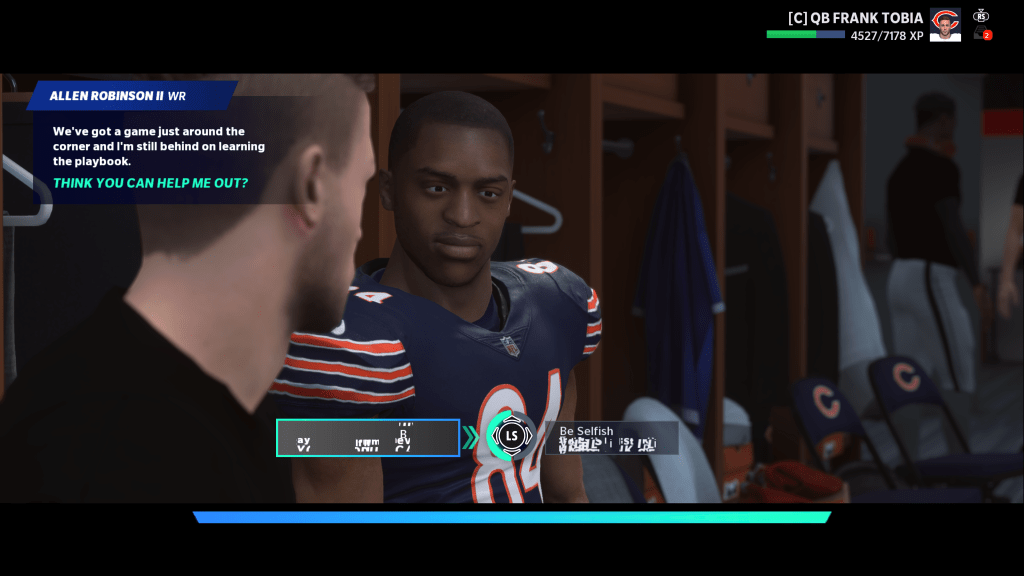
On top of this, the story isn’t that great prior to the NFL Draft. The writing choices for what happens on signing day is unrealistic and it just feel odd. The story also doesn’t adapt to how you perform in the actual games. For example, in my first college game, our offense scored 70 points but then the coach says that he can’t decide on who the starter should be and that they will run a two QB offense which will be dependent on the opponent. In the very next scene, Rich Eisen mocks the QB situation saying that neither one is good enough considering the fact that the coach can’t make a decision between them. However, playing in a USC uniform felt really nice. It is a great reminder that we all want NCAA to return back into the world of video games. As I said earlier, the quality really drops once you get drafted. I got selected by the Chicago Bears and had my first chance to start in a NFL game after Mitchell Trubisky got injured. I ended up winning and went to a press conference scene where I answered some basic questions (with no voiced dialogue besides a narration). At the end, they asked me which player I thought was more valuable to the team. My options were Allen Robinson (who was the player I selected to be my mentor) and Khalil Mack. In 2019, Allen Robinson had close to 100 catches and over 1000 yards but anyone who follows football knows how much of a monster Khalil Mack is. So obviously I selected Khalil Mack. Instantly after that press conference, I got a notification saying that Allen Robinson has been traded away because management agreed that Khalil Mack was more valuable. A fourth round rookie who just finished playing his first game accidentally convinced his team to trade away their best receiver because he said that one of the best players in the league was more valuable than a top 15 receiver. Allen Robinson then texts you getting mad at you, like your character said something wrong. Look at their contracts and tell me who is more valuable. After your second game, a sports commentator mocks you by saying that your character isn’t playing as well as a certain other character that I won’t name for spoiler reasons. This scene just doesn’t make any sense in my play through considering both games were that I played in were blow out wins. The only way this can have some logic is if the other player had an MVP caliber season (trust me, he didn’t). In my second season of the NFL, Allen Robinson reaches out to our character on social media saying that he would love to be able to play with us one day. We get the option to pick between two players and he ends up back on our team the next day. Allen Robinson proceeds to ask for help learning the playbook saying that he is struggling learning all the new plays even though he knew them all under a year ago. Its obvious that Madden isn’t able to detect that he was on the team. I know some people disliked Longshot because they felt like their wasn’t enough weight to your actions but I would prefer a fleshed out story that makes sense rather then what we got here.
You can judge for your self based off the videos on this post, but I didn’t see any major enhancements over Madden 20. I am curious as to how the next-generation upgrades will look. If you want to read about how to get the next-generation version for free, click here.
Gameplay:
Game play in the normal modes feel slightly slower then Madden 20 and I like that. There are some updates to Skill Stick which adds another level to the game play. The new skill stick allows for more fluid movement when you are in the open field. Pass rushers now have a budget of how many moves can be performed before running out of stamina. The changes to pass rushing will definitely take some time to get used to but it is a much better system compared to the button smashing that we are all used to. Tackling and the AI have both also seen solid improvements according to the change log. Unfortunately, it is pretty hard for me to tell how much better the tackling has been since it has been some time since I have played Madden 20.
Bugs:
I unfortunately ran into my fair share of bugs and technical issues but I was playing on an early build of the game and most of the issues have been fixed. 2020 has been a crazy year for developers with everyone having to work from home, so some issues are expected.
My biggest issue was the bug on The Yard that caused players to become invisible but that was patched during the 8/25 update as mentioned earlier. I had choppy FPS (frames per second) during Face of the Franchise on the home high school field. However, this issue went away once I got to the State Championship game. My screen froze after completing my first Face of the Franchise NFL game. I still heard music but I had to restart my game to continue playing. There was also a text bug that can be seen in the photo that I posted above containing Allen Robinson.
Audio:
The soundtrack and the in-game audio from on the field is great. Unfortunately, everything about the audio isn’t perfect. There is one glaring issue that hasn’t been addressed. The announcers are dreadful. I have no problems with Brandon Gaudin or Charles Davis. It is just the amount of stuff they say that shouldn’t be said during a game. I understand this is a minor issue but it is still something that needs to be discussed. In an exhibition preseason game, I was up around 40 points. I threw another touchdown with minutes left in the final quarter and the announcer says something along the lines of how he hates to say it but that he thinks that the touchdown will just about end things. It was very obvious that a third string quarterback was not about to score over 40 points in the final two minutes of a preseason game. Early in my Face of the Franchise play through, I already had scored two touchdowns in a high school game. During the 4th quarter, I completed a screen pass that went for a first down and the announcer said “QB2 erupts for his first big play of the game. He decided to run and picked up the first down.” In a later game, I threw a ten yard slant that got broken up. The announcer goes “He tried to go long on first down but all it results in is a long walk back to the huddle.” The final thing I wrote about in my notes about the announcers was the fact that at one point, they reacted negatively to my QB kneeling with a minute left in the game. For some reason, they saw it as a run for negative one yards and congratulated the defense rather than seeing it as a game clinching play. I understand that these are very minor things that you hear while playing, think about for a few seconds, and then continue playing but someone still needs to talk about it. This has been one of my pet peeves with Madden for years and the AI really needs to be updated for the announcers.
Final Thoughts:
In the grand scheme of everything, this is a Madden game. For fans of the series who love playing online, there is nothing here that should convince you not to buy this game. If you know you are going to play it all year long, go buy yourself a copy because the game is a lot of fun. If you are someone who only likes to play franchise, I would recommend waiting for a sale or just waiting for Madden 22 because there aren’t really any changes in that department. If you just want to play some football to scratch that itch and know you will stop playing after a month or two, I defiantly recommend checking out EA Play Pro. You are essentially renting Madden 21 (and a ton of other great games). Madden 21 isn’t a step down from Madden 20 but with The Yard being the only new bright spot, it isn’t really enough to push the score to anything higher then what it was during previous years.
Thank you to Electronic Arts for providing the early review copy.
As a huge National Football League fan, I was really hoping that this years Madden would be as good as possible since so much about the regular season is still up in the air. Please note that my final scored review where I will be able to go more in detail will be posted on Friday, August 28th at 12:01 AM ET when the embargo lifts.
Game Modes:
The Yard is Madden’s newest game mode which introduces 6v6 backyard style football. The Yard is a ton of fun…when it is working. Obviously keep in mind that I am playing on an early access version of the game, so there is a good chance that this and any other bugs that I mention will be patched by the time you start playing. My first couple games on The Yard took place at F.O.B Field and I had no problems there. It is completely what you would expect from backyard football. It is fast paced, trick plays are common and most rules go completely out the window. However, the mode broke on me after I unlocked the second field. Players went invisible and the ball couldn’t be hiked. You can see what I mean in the video below.
Face of The Franchise: Rise to Fame starts out with a ton of a promise but its quality fades as the game continues. High School and College play out similar to how all of Longshot did in Madden 18 and 19. I am going to show a video of how conversations are handled earlier on in the game in case you never played Longshot. After that I will have another video showing how conversations are handled once you are drafted. I am only on the first year in the NFL on it, so hopefully it improves as I continue playing but I honestly doubt it will. I understand why they did it this way but I wish they didn’t. I will have a deep dive into the positives and negatives of Face of The Franchise: Rise to Fame in my full review.
You can judge for your self based off the videos on this post, but I didn’t see any major enhancements. I am curious as to how the next-generation upgrades will look. If you want to read about how to get the next-generation version for free, click here.
Gameplay:
Gameplay in the normal modes feel slightly slower then Madden 20 and I like that. There are some updates to Skill Stick which I will talk about more in the full review. The changes to pass rushing will defiantly take some time to get used to but it is a much better system compared to button smashing. Tackling and the AI have both also seen solid improvements.
Bugs:
I unfortunately ran into my fair share of bugs and technical issues. As I mentioned earlier, there is a pretty good chance that these will be patched out by the time you play it, so I wouldn’t reach to much into it. On top of that, 2020 has been a crazy year for developers with everyone having to work from home.
I will go more in detail about the bugs I ran into in my full review but in the two days that I have been playing, I have ran into four bugs. The only major bug was the one that took place during The Yard which I talked about earlier.
Audio:
The soundtrack and the in-game audio from the field is great. Unfortunately, everything about the audio isn’t perfect. There is one glaring issue that hasn’t been addressed. The announcers are dreadful. I have no problems with Brandon Gaudin or Charles Davis. It is just the amount of stuff they say that shouldn’t be said during a game. I will dive deeper into this in my full review but an announcer calling a completion a rushing attempt breaks the immersion.
Overall First Impressions
It is Madden. If you liked the previous games, you are going to enjoy this one. If you disliked the previous games, there probably isn’t anything here that is going to convince you to change your opinion.
Thank you to Cold Symmetry and Playstack for providing an early access copy.
Mortal Shell is a new souls-like title that recently just released this past week on the 18th of August. Unfortunately due to technical issues out of my control (issues not caused by the game of discussion), I haven’t been able to play much of it at all. Because of this and in the interest of fairness, I won’t be penning a full review, more so my initial impressions of what the game has on offer. However, the short period of time I’ve spent with Mortal Shell can be accurately summarized with two words: grossly incandescent.
Credit: Mortal Shell Game
Mortal Shell, in my opinion, shines greater and brighter than all the previous Souls-like games I’ve played that haven’t been directly developed by FromSoftware themselves. I believe this is because of the clear love for Demon’s Souls and Dark Souls that the developers have proudly expressed, along with it being blatantly apparent inside the game itself. The dark and dreary atmosphere, the cryptic lore dished out through incredibly well-acted NPC’s and item descriptions, the heavy and weighted combat; everything, even down to the minutest detail such as loading screens, screams “Souls!”. Imitation in this manner is not to be frowned upon, since when done with this level of respect for the source material it is the most sincere form of flattery. However, Mortal Shell is very much its own game with unique concepts not present in Soulsborne. The main aspect of the game which separates it from the rest of the pack would have to be the shell and harden systems. Instead of wearing and swapping armor sets, your character possesses the shells of long-deceased warriors that they stumble across during their journey. These different shells have distinct characteristics that allow for multiple styles of play, along with altering the player’s appearance. With all of these shells, however, you are granted the ability to harden. When activated, this will negate the damage of the next attack you are struck with as long as you maintain the stationary stance. Although, if timed properly, this can also stagger an enemy and open them up for a good ol’ stab. Managing this mechanic and using it to your advantage in combat is fun and often rewarding, catapulting Mortal Shell into a category above prior Souls-likes who failed to innovate in a similar fashion.
Credit: Mortal Shell Game
While I haven’t spent much time with Mortal Shell, that won’t stop me whatsoever from recommending it. For $30, you get a visually stunning game for the price along with gameplay that has effectively set the new standard for future Souls-like titles. I can’t wait to jump back into my PC playthrough, and I am anxiously anticipating the physical release for the title as well on October 2nd to being my platinum trophy journey. But, until then, stick around TGP for everything Soulsborne and Souls-like alike.















 The Game Preview