Years ago, Game Pass was considered to be the best deal in gaming. Now many including myself are pressing the cancel button.
Haha sike! Why would I cancel the best deal in gaming?


Years ago, Game Pass was considered to be the best deal in gaming. Now many including myself are pressing the cancel button.
Haha sike! Why would I cancel the best deal in gaming?
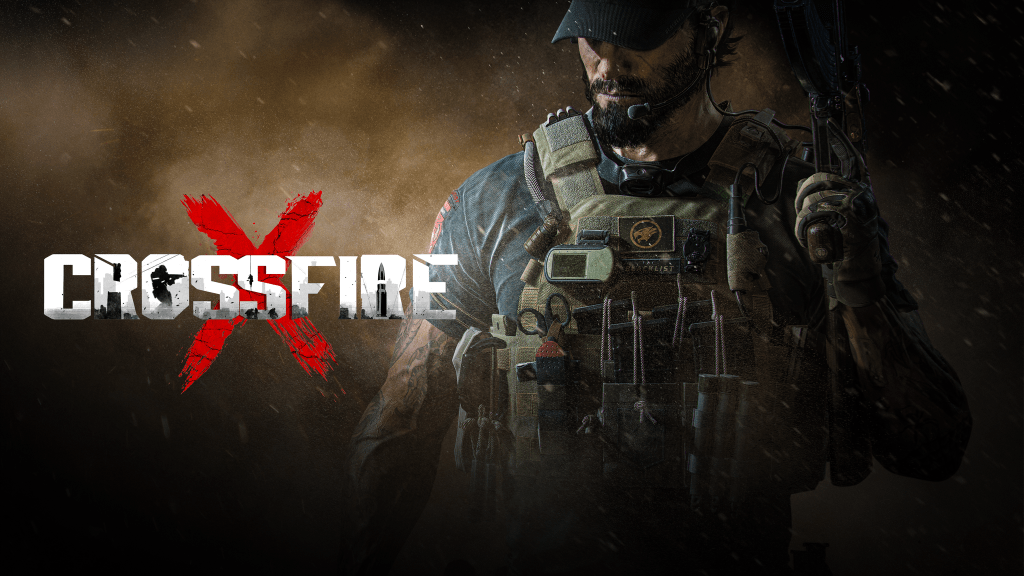
When CrossfireX’s campaign was officially revealed, I and many others were ecstatic. It was announced that Remedy Entertainment, the studio behind masterpieces such as “Alan Wake” and “Control”, signed on to help Smilegate develop the single player component of the title: so expectations were set accordingly. To know this brilliant, talented team was creating an FPS made me realize this was something I never even knew I wanted, but now coveted more than anything. However, signs causing concern began to swiftly show. After the initial reveal, the game essentially went dark. There were barely any public progress updates, and as the release drew nearer there was little to no marketing in sight. And when we here at TGP received our code mere hours before release, alongside other, more prominent review outlets: we knew something had gone terribly awry. But nothing could have prepared me for the absolutely pitiful disaster that is CrossfireX’s campaign; and it truly makes me question just how much Remedy was actually involved in the story’s development.
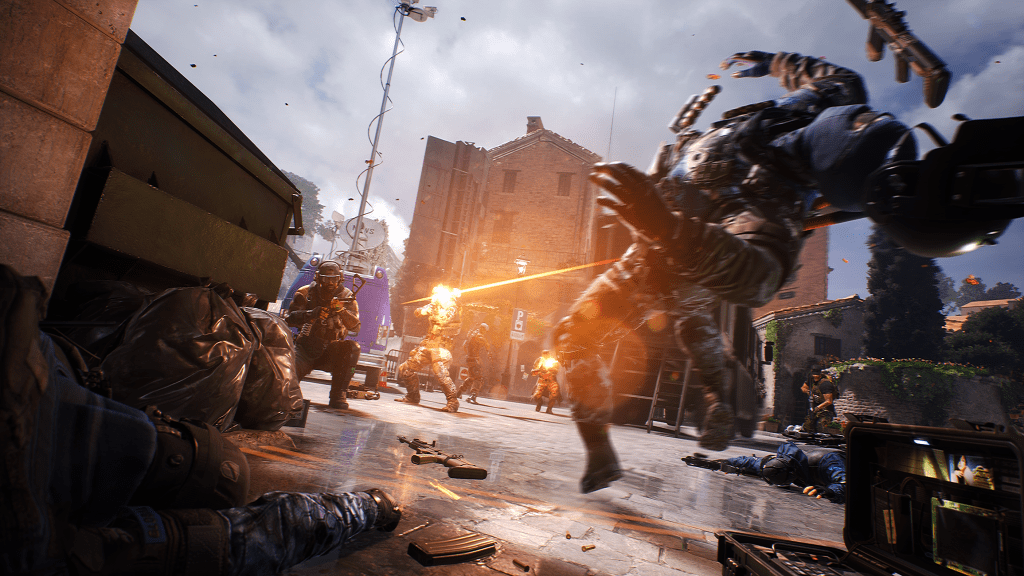
The narrative of “CrossfireX” has all the complexity of a doorknob. It’s not just painfully boring and generic with nothing unique in the mixture, but predictable too. Ten minutes into the first campaign, “Operation Catalyst”, I instantly knew one of my allies would later betray me after only one line of dialogue. Surely enough, an hour later, he followed through. Speaking of dialogue, the writing is atrocious, and is on par with if not worse than a third grader’s book report. The characters are all typical soldier clichés that we’ve seen time and time again, with no standouts in terms of personality. Some of the voice actors try their best with the material given, but it’s in vain. Others, though, offer middle-shelf performances at best; and karaoke night acts at worst. Considering this combination of detriments, it comes as no surprise that none of the characters are memorable in the slightest. So, if you’re looking to play “CrossfireX” for a quality story, you’re better off finding one in “Pong”.

If I had to sum up the gameplay of CrossfireX’s campaign, I would use the words “frighteningly basic”. There is not a single element in this game that cries originality. The gunplay is generic, and nothing we haven’t seen before. There is a special ability called a “Combat Breaker” that slows down time and allows for precise aiming, but that is far from anything new or imaginative. Even with this added buff, though, hit registration is still largely inconsistent; especially when firing at a ranged target. This isn’t really an issue, however, as the game is ridiculously easy. I played on the “Recommended” (normal) difficulty , and only died twice during each campaign. This was due to me rushing through dragged out areas without fighting back, not the cleverness of the enemy AI: which is nonexistent. Enemies will line up for you like a marching band, and hardly ever adapt to your attack strategy. It’s not just those aforementioned areas that feel dragged out, though; the entirety of both campaigns do. The feeling isn’t due to length, that reasoning isn’t valid considering “Operation Catalyst” took me an hour and forty one minutes to beat and “Operation Spectre” only required one hour and twenty two minutes of gameplay to complete. Even with a total completion time of three hours and three minutes (without skipping cutscenes), the campaign was so insufferable I wished it was shorter; and a wave of pure euphoria rushed over me when I realized I never had to play this title again for the rest of my life. Other gameplay/visual elements capable of providing even the most miniscule modicum of excitement failed as well. Set pieces are cliché and lazily integrated, and at times are straight up rip-offs of those in several “Call of Duty” titles, “Battlefield 4”, and even the “Crysis” series. Level environments are bland and uninspired, with the title’s graphical quality ranging from last-gen at best to 360/PS3 era at worst. These levels are littered with an abundance of collectibles as well, which are meaningless to gather since they provide hardly any worthwhile world exposition and offer no reward: that’s right, no achievements. As a matter of fact, the campaign has zero achievements to earn, with all of them being relegated to the multiplayer mode. The gameplay and visuals of CrossfireX’s campaign are so dull and monotonous that they couldn’t even impress an Amish farmer being introduced to modern technology for the first time.

Growing up, my mother burned the adage “If you have nothing nice to say, don’t say it.” into me. And I have abided by that for the majority of my life. But apart from my obligations as a reviewer, I wouldn’t be able to stay quiet about the abhorrent quality of “CrossfireX”. Even at ten dollars a piece, both operations aren’t worth the smallest amount of any sane individual’s time. The story is forgettable and insufferable, and seemed to have no effort or passion put into it whatsoever. The gameplay/visuals were undistinguished and pedestrian, a true blight to the brain. I know this review may come across as harsh and a bit cruel, but “CrossfireX” is an absolute embarrassment of an Xbox exclusive, and should be forgotten until the day it is nothing but dust and echoes.

Call of Duty: Vanguard had me worried from the get-go. At first, there was a dreadful wait for any official updates on the game. The community heard whispers through leakers such as Tom Henderson, but Activision continued to withhold updates from the community for months on end. It was the middle of August which was usually the time we would all be checking out the beta and we still had no updates. Obviously, it eventually got announced later that month and by October we all were diving into the beta. My second concern with the game was that I didn’t enjoy the beta. The gunplay and mechanics felt rough and it was clear that it needed more time in the oven to cook. I was one of the many people calling for a delay which never got granted. However, I have now beaten the campaign, enjoyed the surprisingly content-filled multiplayer, and dabbled with the disappointing zombies mode. In this review, I am only going to be talking about my time with the campaign. Which was better than expected.
Six specialists from six different backgrounds join the first Task Force to take on a threat from the Nazi Army during World War II. In the first mission of the campaign, your team hops back and forth between two trains as they push through countless enemies. They even go as far as jumping off the train, onto the roof of a truck and shooting everyone inside of it, and then jumping back onto the train at the last second before it blows up. I was pretty disappointed by this because I wanted a more grounded experience similar to Sledgehammer Games’ Call of Duty: WWII, rather than getting something that feels like it was taken out of a Michael Bay movie. Thankfully, my wish was granted because everything after this point in the game has a much more realistic vibe to it, even though it still pushes the gas pedal to its max. Throughout the next couple of missions, we get flashbacks that give much-needed bonding time to our cast of characters on an individual level. Four different fronts throughout the war are explored ranging from the jungles of Midway to the rooftops of Stalingrad. These four storylines are the best moments of Call of Duty: Vanguard and give distinct experiences that were top of the line. Each storyline introduces new side characters to care about (and in classic Call of Duty fashion, a lot of them unfortunately die). Each character you play unlocks new abilities. Crack locks and safes as Novak, command troops as Kingsley, climb walls and bait snipers with the reflection of your knife as Petrova, take over the sky as Jackson, and blow everything up as Riggs. Some of these are more lackluster than others (I am looking at you Novak). When the flashbacks are over, it brings us back to where the first mission ended, for an exciting conclusion to the story. I still wish the main cast got more bonding time together as a squad because eighty percent of the game is flashbacks before they all met (excluding Kingsley and Webb). It would be tough to believe that Task Force 141 were able to take down Makarov in essentially their first two missions together. The main villains of this game also are very forgettable. To the point where I was almost ready to publish the article, and then I realized that I forgot to mention the villains. Their only traits are that they are ruthless Nazi leaders which aren’t really enough for me when I compare them to some of the previous main villains.
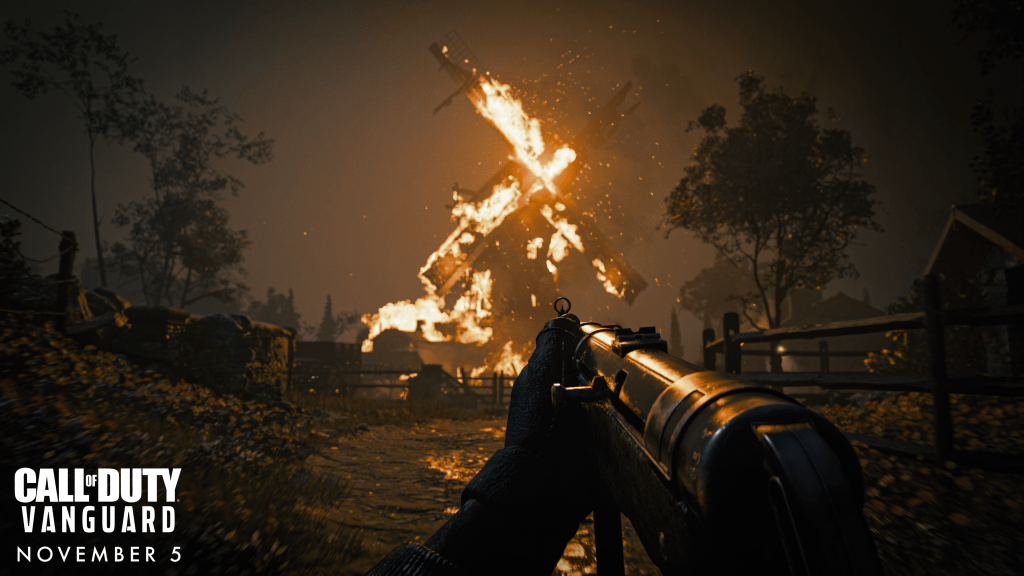
Call of Duty: Vanguard from a gameplay perspective feels like a mixture of Call of Duty: Modern Warfare (2019) and Call of Duty: WWII. With forty-plus different weapons, there are plenty of ways to deal with enemies. Blowing through the wooden planks of a train with a machine gun feels as good as anyone would expect it to. The destructible environments have always and continue to be one of the most satisfying parts of playing through the campaign. I played through the campaign on the default difficulty due to being strapped for time and not wanting to have to spend time replaying sections which led to me seeing one flaw that I probably would not have seen on the higher difficulties. The AI can be very rough at times. Like standing in front of an enemy and them taking ten seconds to open fire level of bad. This only happened on a handful of occasions, but I guess that is what I get for being a coward and not playing on veteran.
I am happy to announce that my experience had no major bugs and ran incredibly well on my PC. The only bug that I can remember running into in-game was a dead body having a spasm after dying which caused a trash can to start making a ton of noise. Obviously, your miles may vary depending on what platform you are playing on because my friend Mike ran into quite a few bugs on his Xbox Series X including having his achievements glitched. It is also nice to report that Activision may have found out how to compress their files because my game only takes up 77 gigabytes, which is incredible compared to the mess that was last year. One gripe that I had with previous games that somehow continues to happen is this bug (I think it’s a bug, maybe it’s intended, and I am just stupid) where shaders download every time I open the game. The message doesn’t stop me from starting a campaign mission or joining a multiplayer match, but it is still at the top of the screen constantly as I go through the menu. Also be prepared to see advertisements for Call of Duty: Modern Warfare (2019), Call of Duty: Black Ops Cold War, and Call of Duty: Warzone every time you launch the game. Activision had the idea to have the Vanguard launcher act as a launcher for the previous iterations of Call of Duty meaning you can select their campaigns or multiplayer (which will prompt you to a screen to purchase them). Warzone being there makes sense considering it will have Vanguard content in it, but the other two really have no business being there.

In the end, I was satisfied with the campaign experience that Sledgehammer Games provided. My main gripe comes back to the main cast not getting enough bonding time with each other before the flashbacks started to roll. I really feel like having a mission or two occur before the train mission could have done some good for the story. As an overall game, I would say Call of Duty: Vanguard is better than Call of Duty: Black Ops Cold War. Even though the following review score will JUST be for the campaign, I do want to note that Vanguard has so much more content on the multiplayer side compared to last year’s entry. If you even remotely enjoy playing zombies, I highly recommend you check out a review covering exclusively that, because there are some serious issues with Vanguard’s zombies mode. However, I am only focusing on the campaign here so I am not going to let that change the score for the review.

Watch Dogs Legion tries to make one of the most immersive game worlds we have ever seen, but another delay should have stopped it from happening in 2020. I will not be diving deep into the story besides a few basic things so you are safe from spoilers.
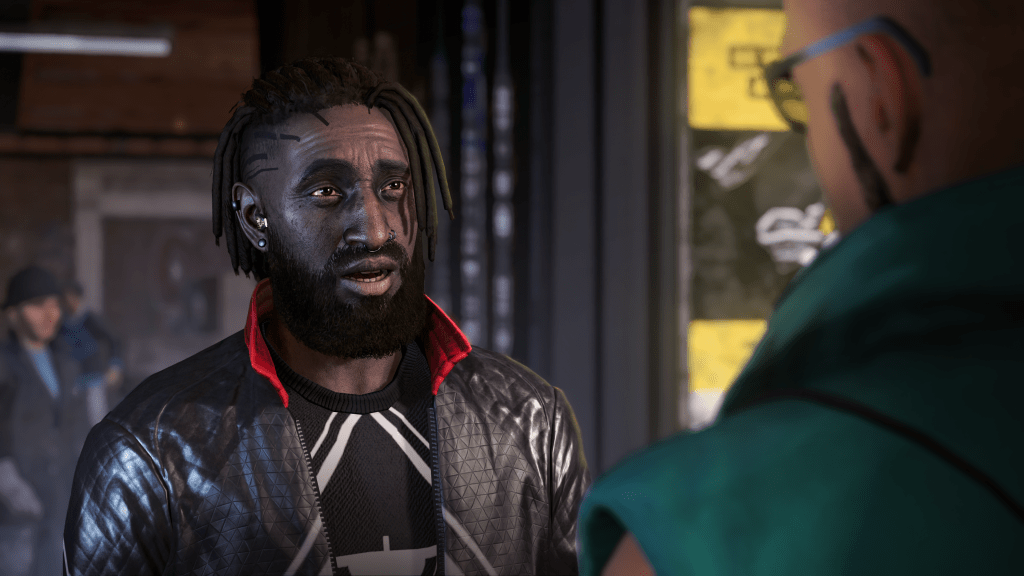
The first fifteen minutes of the story introduces you to one of my favorite characters in the game, who I would have liked to see as the main protagonist if there actually was one. This character is Dalton and he is a badass spy who unfortunately has to depart from the story. Besides from that, the next best character is Bagley, who is your AI companion that is filled with sarcastic jokes and witty humor which surprisingly doesn’t feel cringe. There are a few other characters that are pretty good but Dalton and Bagley hold the top spots for me. After the introduction mission, you are thrown into the sandbox world of futuristic London. Main missions are divided into chapters that focus on different characters who are sources of terror in London. The story after that is mainly dull and uninspired, concluding with a predictable plot twist. However, there is one storyline that was much better than everything else. Without going into too much detail, it includes a dog. That’s all you’re getting from me on that note.

Watch Dogs Legion was advertised as a game where you could play as any character that you see in the open world. However, there are a few that you can’t take over due to story reasons (they can’t give you missions if you take their character and get them killed). When you walk the streets of London, every character has a set schedule that they follow. You can find one of your very own characters shopping, at a bar, or even meeting up with a family member. Later in the game, you will have random encounters where potential recruit’s relatives are being arrested by Albion (London’s version of a private police force). If you save them, your recruit will end up liking you even more and may even join DedSec. You can also recruit characters by doing missions for them which are usually pretty repetitive. They usually involve stealing a van or deleting some blackmail off a computer. I would also like to note that there are a lot of hippies in this game. I know a decent amount of people preferred the original Watch Dogs over the sequel because of this, so I thought I would at least mention that most of your recruit options are going to be hippies. However, if you really need to cherry pick, you have the option to recruit whoever you want, so nothing is stopping you from going with an army of white collar grandpas. There is a team limit so the game does stop you from going overboard on characters being recruited to DedSec, but you are allowed to kick old players out to make room for the new ones. I never had to do this because even though my team had around 20 or so members, I stuck with the same five because that is all I really needed from them. There is a permadeath option but I decided against turning that on so I wouldn’t have to keep recruiting new players due to those missions being repetitive. Operatives can also be kidnaped, arrested, and more so there are some cool missions where you have to go save the day as another operative who you may not usually use. I also need to mention that I didn’t really see any grannies. Watch Dogs Legion showed off having a grandma on your team constantly but for some reason I never really saw any in the open world. Unfortunately, this is where any sense of immersion ends.
Pretty much every single building is non enterable. You will see characters walk out of its doors, but behind them will just be a black invisible wall. The only buildings you can enter are mission related areas where enemies are at, bars, and your safehouse. You can’t even enter clothing stores anymore. Your character literally changes in the street. Could you imagine walking through London and just seeing some dude drop his underwear on the sidewalk so he can try another pair on? Remember the characters who felt immersive due to having a schedule? Well go talk to them and that immersion goes right out the window. Due to the crazy amount of characters that they would have had to voice as a potential protagonist, Ubisoft decided to use an AI to modify the voices of every character. Since there are nine million different characters you can pick from, that would be a lot of money to voice them with real voices. Majority of these voices sound terrible. Don’t get me wrong, some of them sound real but so many of them sound like a robot from the 90s. This is my main issue with Watch Dogs Legion. Ubisoft tried to be to ambitious with the game and it hurt them. Obviously doing this game without the AI would have been impossible, but some of these voices make certain recruits unplayable. Watch Dogs Legion also gives a ton of lore and sets up a nice backstory. The setting of London is amazing and it portrays a future that doesn’t feel that far away. The theme of AI and robots taking away jobs is something that is already happening in real life and I loved the fact that it was showcased in the futuristic version of London. There are letters and audio logs all over London for you to read/listen to if you really want to learn everything about its world. One final note is that the characters in the world will react as you start to free sections of London. Civilians will start to fight back against Albion and that doesn’t exclude you if you are wearing an Albion disguise.
Watch Dogs Legion was a slight step up in the gameplay department compared to Watch Dogs 2. Most of the time gunplay feels really good but there are a few enemies who are extra bullet/taser spongey. As mentioned earlier, some of your recruits have disguise that they can wear thanks to their actual jobs. For example, the character I used the most had an Albion outfit that he could put on which made going into enemy locations easier. The game tells you to walk slowly and to avoid getting to close to other people inside. Guards and drones are way to sensitive and detect you very fast. The real benefit of the Albion suit is that it allows you to go through cameras and detectors without causing the alarm to go off. Though, the second someone sees you, you need to get out of their sight or take them out. Coming off of just recently playing Hitman 2, I really wish they took more inspiration from IO Interactive. In Hitman 2, if you have a disguise on, normal enemies won’t realize that you don’t belong there. However, there are higher ranking members that can detect you which is a much better system. Hacking is pretty identical to how it was in the previous games. I guess don’t fix it if it isn’t broken but I would have liked to see a little more variation. They do have a few unique missions with parkouring as your spider robot or going through the inside of a computer as a drone in the form of an obstacle course, but for the most part normal hacking feels the same.
Driving felt really sensitive for me, but I am not sure if this is because I just got finished playing Mafia: Definitive Edition. Obviously cars from 2030 are going to feel a lot less sluggish compared to cars from nearly a century earlier. I should also note that there are microtransactions in the game. They lock clothing behind a second type of currency. You can earn currency by playing the game, and you can find free clothing in the world at random locations but I know some people would like to know about this so that is why I am mentioning it. One final note is that a lot of the side missions and recruitment missions reuse enemy locations from the main story.

Watch Dogs Legion LOVES to crash on PC. Like it was happening multiple times a day. It wasn’t even like it was crashing during intense gun fights or car chases. All of my crashes were related to either interacting with an object in the game world or using the map to fast travel. I had at least 10 crashes which would force me to restart my PC every time since my audio would end up breaking from it. The rest of my tech issues weren’t game breaking but they are still issues. For some reason, Watch Dogs Legion loves to make things invisible. My character went invisible after getting hit by a boat while swimming, a main character went invisible during a cutscene which led to my character fist bumping an invisible guy, and finally my spider bot ended up clipping through the ground a few times after being thrown at odd angles which leads to, you guessed it, an invisible spider bot. This next one isn’t much of a tech issue but more of a flaw with the AI. When driving, characters love to just jump in the way of your car. For example, if you end up going on the sidewalk a bit to move around a car, they will dive towards the road rather then away from your car which leads to you hitting them. This means they now dislike DedSec which makes them harder to recruit in the future. The final flaw that I had was just general optimization. FPS really tanked while driving and the optimization of this seems to be a step in the wrong direction because I felt like Ubisoft was finally getting good at making games run better on PC.
In the end, I had around 26 hours of game time for the main story and all of the non-repeatable side content. I’m not going to score this game because I really don’t know how to score it. It does a lot good and makes some strides for the future of gaming but there are way to many flaws for me to go give it a good score. So I am going to rate it a little bit differently. If you have a PC, Stadia, or Luna, and you don’t mind essentially renting it, go buy a month of Ubisoft+ for $15 and beat the game. When your done with Watch Dogs Legion, go play Assassins Creed Valhalla. You are essentially paying $7.50 for each brand new game. I can’t even comprehend how good of a value that is. If you are on Xbox, PlayStation, or you just want to own the game on PC, I would recommend waiting for a sale. There are way to many good games coming out in the next few weeks to go rush and get this for its full price.

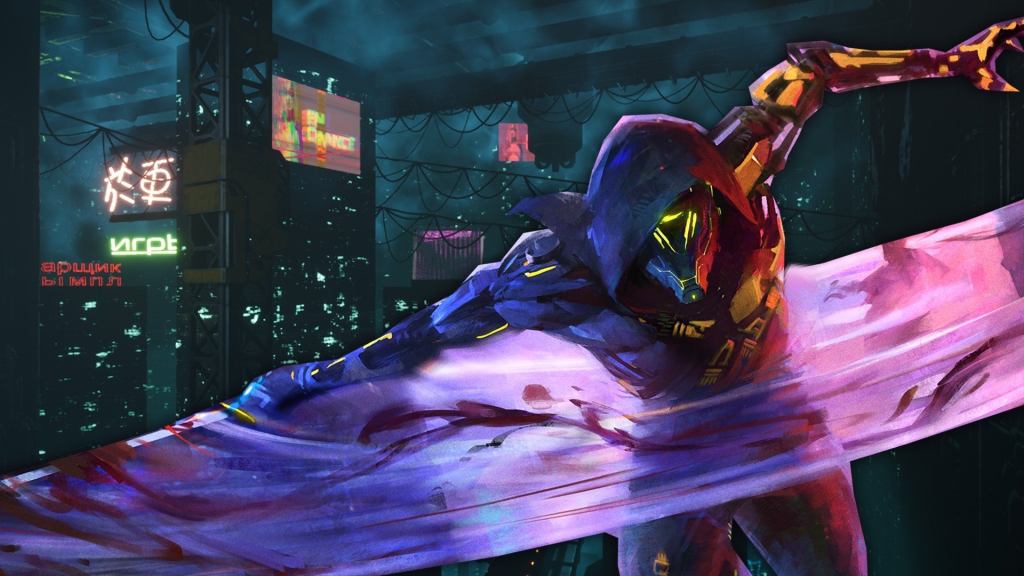
Ghostrunner is a title that I desperately wanted to love, and in some regards I do. The combination of first-person, parkour platforming in a dystopian cyberpunk setting, mixed with incredibly fast-paced combat whose difficulty is in the vein of Superhot is an excellent blend for a game, at least in theory. Two of those ingredients are superb, but there’s one that unfortunately, for the most part, tarnishes the entire experience. Because of that tainted ingredient, I was unfortunately unable to complete the game, and so this won’t be a full review with a final score; think of this as just my unfiltered, honest thoughts of the title based on the three or so hours I have played. Before we delve into that, however, the positive aspects of this game are undoubtedly worth mentioning as they are near phenomenal. To start, we’ll discuss the strongest part of the experience: combat. As previously mentioned, the combat featured in Ghostrunner draws inspiration from Superhot, yet at the same time is its polar opposite. Your character still dies in one hit, like the aforementioned Superhot, but unlike it time doesn’t only progress when you move. Instead, Ghostrunner encourages the player to constantly be on the move to avoid sustaining a fatal blow. This inverse is impeccable, and results in the combat being high-octane and adrenaline inducing. The one shot health increases the challenge, which forces the player to rely on not only speed but precision as well. The katana you brandish is the perfect weapon for this gameplay blend (although it doesn’t always work when trying to deflect bullets), and your character’s movement while dispatching enemy after enemy is extremely fluid, from running and sliding to dodging and weaving. There aren’t an absurd amount of inputs needed to pull these movements off either, as controls are minimal but intuitive. Next, let’s discuss the second compelling component of Ghostrunner: the setting. While the story is intriguing at first, I don’t know much past the initial three hours to fully judge it. However, from what I have played it shows great promise with its interesting, slightly unique premise that I won’t spoil here. The setting, though, fits the story and gameplay themes splendidly with a gorgeous digitized art-style that obviously borrows some elements from the beloved Shadow Warrior series. Furthermore the graphics, especially for a $30 USD title, are exceptional and fit the art-style perfectly. This is where my praise for Ghostrunner comes to an end though, as the final topic to be covered, platforming, is utterly abysmal and abhorrent.
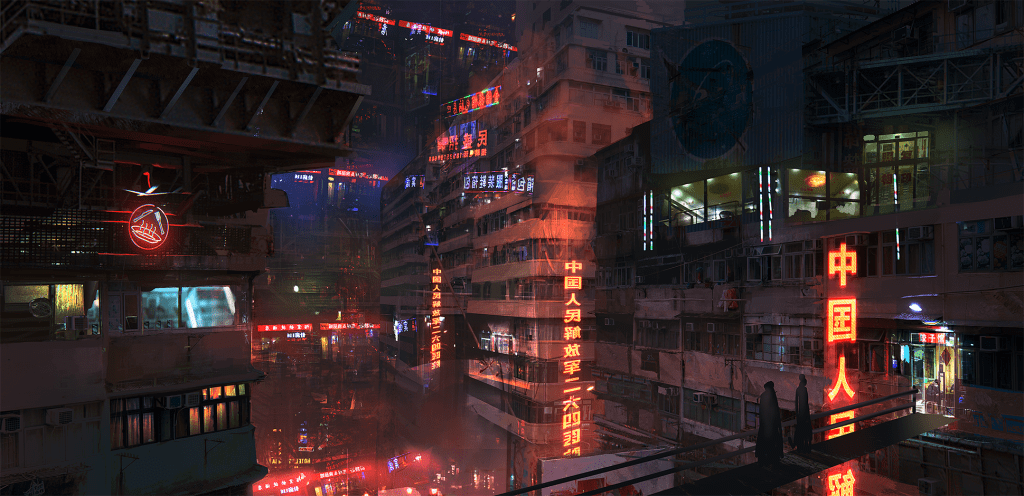
I died to platforming sections at an exorbitant degree compared to gunfire. In short, the platforming level design is too intricate and requires far more precision than the gameplay mechanics allow, and the title doesn’t provide the player with any checkpoints mid-way through these sections (and before anyone asks, I’ll provide examples). The most often occurrence would be attempting a wall-run and sliding off of said wall and dying, even though my character clearly made contact with the surface. There were also instances of using the grappling hook successfully at first, but then being detached mid-transit or slamming into the hooks and falling. Other times, merely trying to scale a raised platform of unsubstantial height would result in yet another cycle of face-planting and falling to my doom. Finally, the dodge mechanic is inconsistent to say the least, as I had bullets track me through dodges and still kill my character. Ghostunner, overall, shows brilliant promise and potential with its gameplay, combat, setting and story; but is completely undermined by some of the most egregiously busted platforming mechanics I have ever experienced. I would wager a patch or rework of some of the level-design is necessary before expecting players to shell out their hard-earned cash.
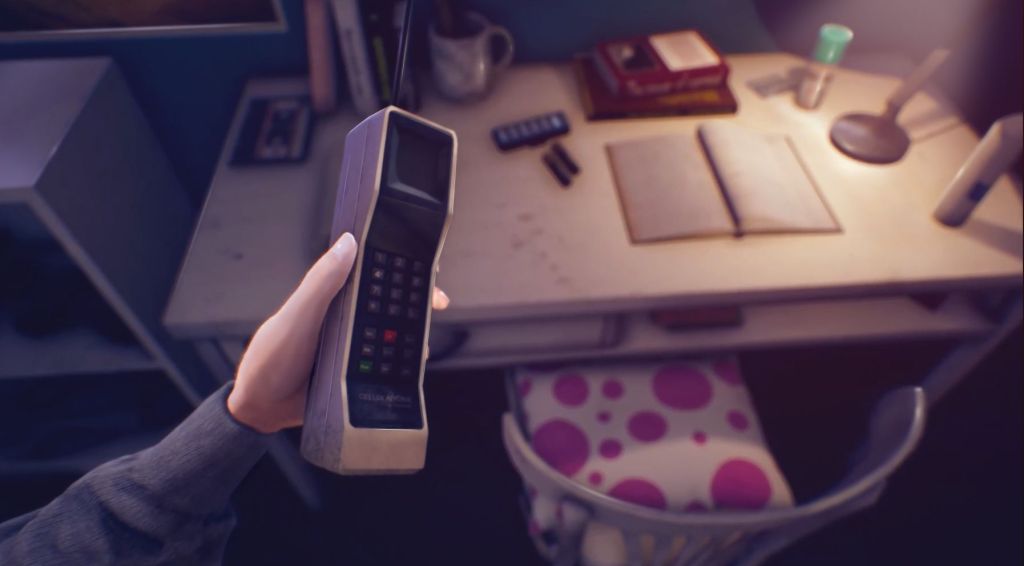
“Coming back to the family hotel after years, a young woman finds herself trapped with the ghosts from her past and an old cellular telephone as the only way to unveil a terrible truth.” If you were left intrigued by that synopsis, do not go into this game with the expectation that its going to be an action packed horror game. On top of that, don’t be alarmed by the name, the game doesn’t dive that deep into the theme suicide. It is mentioned a few times but the game focuses much more on the mystery around her disappearance. The Suicide of Rachel Foster is just a walking simulator, but that isn’t a bad thing because its a good walking simulator.
Walking simulators have always been a weird guilty pleasure of mine. Sure, the game-play loop of just walking may be incredibly repetitive but the strong narratives and interesting environments always come on top for me. Games like Life is Strange and Until Dawn nail this while also finding ways to keep the game-play interesting. The best way for me to describe The Suicide of Rachel Foster would be if Gone Home and Firewatch had a baby. Remember the walkie-talkie in Firewatch? The Suicide of Rachel Foster has a very similar mechanic, just this time it is with a cell phone. You can talk about objects you see in the hotel over this phone which is the main way the game tells its story. You can also interact with objects in-game by picking them up but they usually lack details and they never seem to have the same level of interactivity that a game like Resident Evil 7 does. There isn’t any point in general to interact with objects that don’t have a phone symbol next to them. There are a few tools that you get throughout your play-through including the phone, a map, a crank flashlight, and a few other objects that I won’t spoil.

The game starts off with the protagonist, Nicole, flipping through the pages of an old letter from her deceased mother. This letter gives backstory as to why Nicole is going back to the old family hotel and how Rachel Foster is connected to her. A major snowstorm ends up trapping you at the hotel, causing you to be stuck there. You receive a phone call from Irving, who says he is a FEMA agent. Even though you are “alone” in this giant hotel, you have Irving to keep you company over the phone. As your time in the hotel gets longer, things start to get creepier. I won’t go into detail due to spoilers but this game never turns into a horror game. However, things do get very creepy in a way that reminds me to how I felt when I explored the house in Gone Home. You may get anxious at times but don’t expect Jack Baker to start chasing you around the hotel. As you start to solve the mystery of Rachel’s death, more twists occur causing you to rethink everything you thought that you knew about the characters.
The initial art style definitely takes inspiration from Firewatch. Unfortunately, it is only the initial art syle. The Suicide of Rachel Foster uses a hideous depth of field blurring setting that can not be turned off. Its essentially causes stuff to completely blur in the background to make what is closer to you stay clear. The only game that I can think of that did something similar to this was Grounded. There is also major head bobbing that can not be turned off. I felt sick for the first half an hour of my play-through. I eventually got used to it but it is definitely something that brought the review score down. Animations are also fairly limited. When you do an important interaction, the game usually zooms the camera in really close outside of the first person perspective. You can see what Nicole is interacting with but you can never see more then her arms.
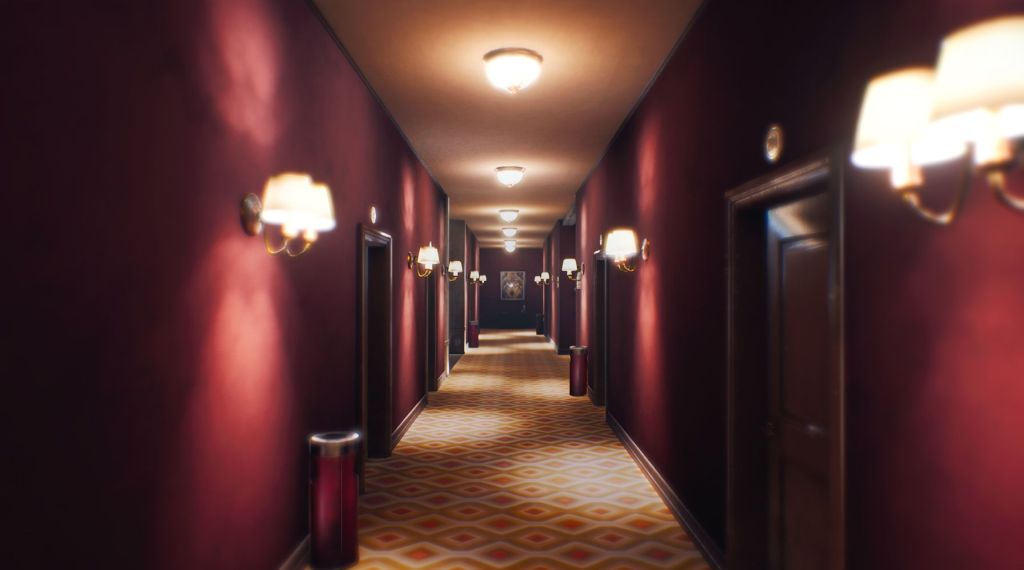
I am happy to say that I didn’t have that many glitches during my play-through. The only problem that I can remember was that my head would occasionally bob up and down really quick when squeezing through a small door/vent.
After about three hours with The Suicide of Rachel Foster, I can say I thoroughly enjoyed it. Obviously keep in mind that I am someone who enjoys walking simulators, but it is one of the better ones that I have played. Of course it has its flaws, but the positives of the narrative outshine those. If you are someone who has enjoyed playing walking simulators in the past, then I recommend paying the $19.99. If you have never played a walking simulator before, maybe write this down on your wish-list and wait until it is on sale.
 The Game Preview