Some companies announce their new games at big shows such as The Game Awards, E3 or PAX. Some companies announce their new games at online only events such as a Nintendo Direct or a State of Play. Other companies just tweet it out of the blue on twitter. That is exactly what Riot Games did.
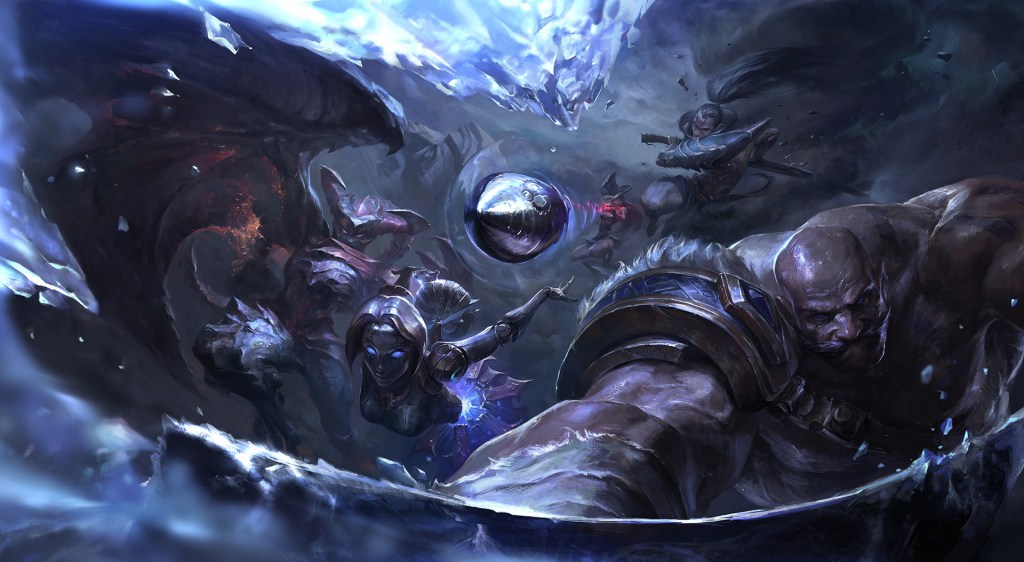
Riot Games VP Greg Street took to twitter saying the following, “I have news! My recent job at Riot has been to help develop the League universe, which we’re going to need! Because it is time. My new job is to kick off a big (some might say massive) game that many of you, and many Rioters, have been asking us to create. PS We’re hiring!”
I have news!
My recent job at Riot has been to help develop the League universe, which we’re going to need!
Because it is time. My new job is to kick off a big (some might say massive) game that many of you, and many Rioters, have been asking us to create.
That is all of the details we have. I would expect it to take heavy inspiration from World of Warcraft, considering the fact that Greg was one of its lead designers. As far as when I would expect it to release? Well, lets just say that I am not expecting it to come out before I graduate college (which is over three years away).
About two months ago, the Xbox Game Pass social media team tweeted out a teaser that Doom Eternal would be coming to their platform soon. We posted about that rumor, and it ended up being true as you can see here. Once again, they have taken to social media to tease another game and we believe that it is Control.
Honestly we have no idea what gif or sinister red light Melissa is referring to pic.twitter.com/QaOK7jZNkM
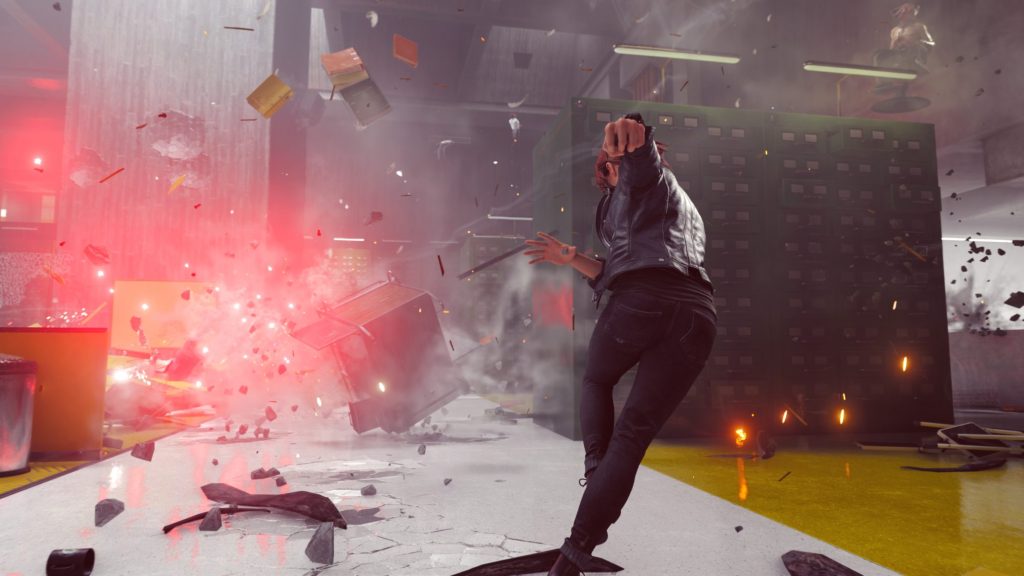
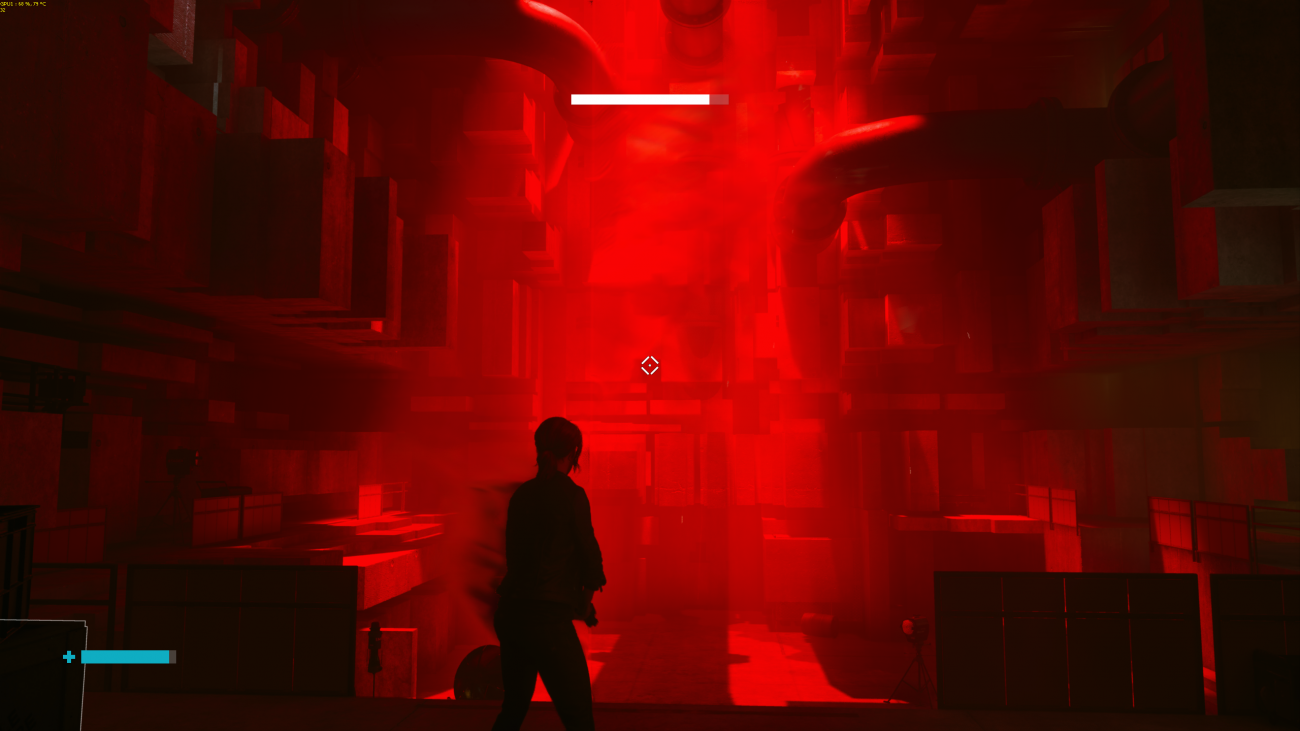
In the tweet above, they mention a sinister red light which is something that we see often throughout Control. I may be wrong, but I can not think of one other game that had a sinister red light in it. The other thing feeding this rumor is the fact that Phil Spencer accidentally said that Control would be coming to Game Pass when he was on a podcast a few months ago.
Credit: TweakTown
We would expect it to be the original version of Control considering the fact that 505 Games were so cheap that they wouldn’t even give Control Ultimate Edition out to fans who bought the base game and the season pass prior to the next generation version’s release.
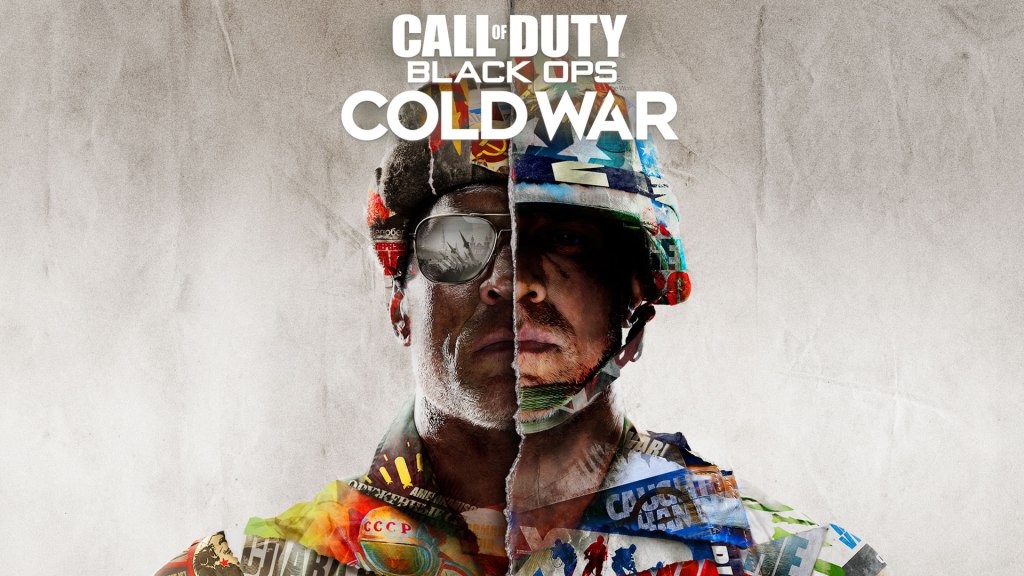
Call of Duty: Black Ops Cold War is the newest installment in the gargantuan franchise, but it doesn’t feel that way at all. It’s reminiscent of a time when the Black Ops series wasn’t eviscerated and rebuilt as something unrecognizable, the era before 2015’s Black Ops 3. Cold War does everything in its power to harken back to the years of 2010 and 2012, but still manages to keep the experience modernized. It’s a treat for veteran and novice players alike, and it finally delivers the direct sequel to the original Black Ops that I never knew I needed. It doesn’t necessarily excel past the first two entries in terms of narrative quality, but compared to the series’ more recent releases? It’s lightyears ahead.
Image Credit: Call of Duty/Activision
Narrative
Call of Duty: Black Ops Cold War is very much in the same thematic vein of the original title, but I can’t elaborate too far beyond that. I wish I could, however, I would have to spoil some major plot points of the story to accurately illustrate the striking similarities. Regardless, the overall themes of espionage, intrigue, and near psychedelic confusion are widely apparent and pay homage to the series’ roots by echoing the feelings and sensations I experienced all the way back in 2010. The story itself is well-written for what it is (a non-stop nitro-fueled action romp), but as previously iterated doesn’t really hold a candle to the classic plotlines of BO1 and 2. Although Cold War marks the return of fan favorite characters such as Mason, Woods, and Hudson, their addition isn’t enough to surpass what has already been done. This is also due in part to the new selection of voice actors, which was a remarkably strange choice to implement to say the least. The newly casted Mason and Hudson do an adequate job, but it is highly noticeable that they are entirely different people. Unfortunately, in the case of iconic character Sgt. Frank Woods, he has nearly been butchered. The new voice actor merely does an imitation of James C. Burns’ portrayal of the Vietnam vet, and it’s a passionless one at that. Voice acting aside, he doesn’t even seem like the same person, as he spats immature quips or childish humor throughout multiple parts of the campaign unprompted. However, the fresh faces Cold War introduces you to to fight alongside with aren’t half bad at all. In particular, Russell Adler and Lawrence Sims are fine additions to the CIA roster, and in a way feel like they have always been a part of the story without ever being in it prior to this point. Unfortunately, other new additions such as Park and Lazar are mainly generic, and by the end are just used to spout corny flirtatious dialogue that we’ve all seen a thousand times over at the least. Despite a character being new or old, they are all affected by the choices you make during the game. Yes, Cold War’s story features choice and consequence just like BO2, but to a substantially larger degree. The choices the player makes are anything but hollow, and do have legitimate consequences across the board. A lot of these decisions are minor, but there are those that definitely affect the outcome of certain missions, character story arcs, and eventually the ending itself; which opens the gateway for multiple playthroughs resulting in a higher replay-ability value than most other COD releases. It’s a phenomenal addition that matches the themes of the game splendidly, and I would very much like to see it continued in subsequent sequels where hopefully the player’s choices made in this title will carry over (to be clear, this mechanic should remain just in Black Ops; not added to Modern Warfare). The final aspect of the narrative I want to discuss is the fact that the main character of this franchise entry is a custom one that the player creates themselves. You can pick your name, skin color, gender, military/agency background, and stat bonuses from a series of preset options (apart from your name). Without spoiling anything, this feature fits snug into the plot of the story well, but I feel that a voiced main protagonist such as Mason would have been better in the end and strengthened the narrative by a long mile. The narrative of Call of Duty: Black Ops Cold War is a fresh and unique one, but it still manages to retain that classic Black Ops sensation of spectacle.
Image Credit: Call of Duty/Activision
Gameplay, Graphics, and Atmosphere
Moving from cover to cover, sliding in and out of hallways/corridors, and movement/agility in general is as smooth as can be. Personally I would have opted for dolphin diving instead, but sliding lends itself to the movement system much better than DD would objectively. Furthermore, raining down bullets and hellfire upon your foes has never felt so fluid in a COD title until now. The gunplay feels heavy/weighted, and the moments where your powerful shots connect with flesh and stop your enemies dead in their tracks is satisfyingly great. The levels you engage these Soviet combatants in are surprisingly open, which allows for exploration and multiple diverging pathways to objectives, along with opening the doorway to allow side objectives and the ability to collect hidden evidence for side missions to be implemented as well; a surprise for a COD game to be sure, but a welcome one. The backdrop for all of this, also known as the graphical fidelity, is intricately detailed and frankly magnificent. On Xbox Series X, I maintained a 4K resolution at 60 FPS with raytracing consistently all the way through three separate playthroughs, with no frame drops or stutters. In terms of the environment around you, foliage is dense and minutely detailed and urban areas are meticulously crafted too. Gun models are beautiful (the 1911 in particular is gorgeous), character models are near photorealistic, and explosions are as glorious as they are scorching. The attention to detail is massive, and is by far the most graphically intricate/stunning COD title I’ve played to date. Operating at peak capacity alongside the visuals is the background audio, mostly due in part to a fantastic OST that nails the retro and trippy themes of the story. The licensed music selection is on point for the 1981 time period as well. Call of Duty: Black Ops Cold War strives for a higher level of polish than its predecessors, and for the most part succeeds spectacularly.
Image Credit: Call of Duty/Activision
Conclusion
Call of Duty: Black Ops Cold War is a massive, proactive step in the right direction for the series. It’s a solid return to form for the franchise, and although there are a few minor missteps with the narrative it’s overall mostly inconsequential to the entire campaign experience. The buttery smooth gameplay and heightened visual fidelity go together hand-in-hand, creating one of the most fluid COD experiences of all time. Additionally, the atmosphere provided further immerses and entrenches the player in not just the story but the time period too. In the end, the campaign of Call of Duty: Black Ops Cold War is just the beginning of Treyarch’s redemption arc, but it’s one hell of an innovative start: just to put it mildly. (It is worth noting, though, that Raven Software developed the campaign, not Treyarch, so hats off to the team over there above anyone else).
One of the Best and Worst Games From 2020 in its Own Ways
Watch Dogs Legion tries to make one of the most immersive game worlds we have ever seen, but another delay should have stopped it from happening in 2020. I will not be diving deep into the story besides a few basic things so you are safe from spoilers.
The Story
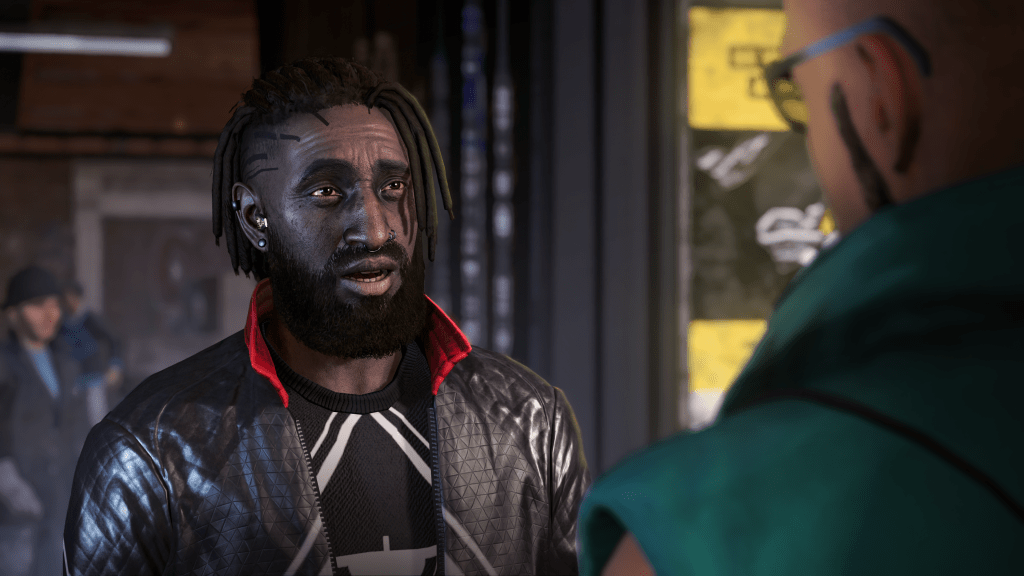
The first fifteen minutes of the story introduces you to one of my favorite characters in the game, who I would have liked to see as the main protagonist if there actually was one. This character is Dalton and he is a badass spy who unfortunately has to depart from the story. Besides from that, the next best character is Bagley, who is your AI companion that is filled with sarcastic jokes and witty humor which surprisingly doesn’t feel cringe. There are a few other characters that are pretty good but Dalton and Bagley hold the top spots for me. After the introduction mission, you are thrown into the sandbox world of futuristic London. Main missions are divided into chapters that focus on different characters who are sources of terror in London. The story after that is mainly dull and uninspired, concluding with a predictable plot twist. However, there is one storyline that was much better than everything else. Without going into too much detail, it includes a dog. That’s all you’re getting from me on that note.
Credit: Ubisoft
The Streets of London
Watch Dogs Legion was advertised as a game where you could play as any character that you see in the open world. However, there are a few that you can’t take over due to story reasons (they can’t give you missions if you take their character and get them killed). When you walk the streets of London, every character has a set schedule that they follow. You can find one of your very own characters shopping, at a bar, or even meeting up with a family member. Later in the game, you will have random encounters where potential recruit’s relatives are being arrested by Albion (London’s version of a private police force). If you save them, your recruit will end up liking you even more and may even join DedSec. You can also recruit characters by doing missions for them which are usually pretty repetitive. They usually involve stealing a van or deleting some blackmail off a computer. I would also like to note that there are a lot of hippies in this game. I know a decent amount of people preferred the original Watch Dogs over the sequel because of this, so I thought I would at least mention that most of your recruit options are going to be hippies. However, if you really need to cherry pick, you have the option to recruit whoever you want, so nothing is stopping you from going with an army of white collar grandpas. There is a team limit so the game does stop you from going overboard on characters being recruited to DedSec, but you are allowed to kick old players out to make room for the new ones. I never had to do this because even though my team had around 20 or so members, I stuck with the same five because that is all I really needed from them. There is a permadeath option but I decided against turning that on so I wouldn’t have to keep recruiting new players due to those missions being repetitive. Operatives can also be kidnaped, arrested, and more so there are some cool missions where you have to go save the day as another operative who you may not usually use. I also need to mention that I didn’t really see any grannies. Watch Dogs Legion showed off having a grandma on your team constantly but for some reason I never really saw any in the open world. Unfortunately, this is where any sense of immersion ends.
Pretty much every single building is non enterable. You will see characters walk out of its doors, but behind them will just be a black invisible wall. The only buildings you can enter are mission related areas where enemies are at, bars, and your safehouse. You can’t even enter clothing stores anymore. Your character literally changes in the street. Could you imagine walking through London and just seeing some dude drop his underwear on the sidewalk so he can try another pair on? Remember the characters who felt immersive due to having a schedule? Well go talk to them and that immersion goes right out the window. Due to the crazy amount of characters that they would have had to voice as a potential protagonist, Ubisoft decided to use an AI to modify the voices of every character. Since there are nine million different characters you can pick from, that would be a lot of money to voice them with real voices. Majority of these voices sound terrible. Don’t get me wrong, some of them sound real but so many of them sound like a robot from the 90s. This is my main issue with Watch Dogs Legion. Ubisoft tried to be to ambitious with the game and it hurt them. Obviously doing this game without the AI would have been impossible, but some of these voices make certain recruits unplayable. Watch Dogs Legion also gives a ton of lore and sets up a nice backstory. The setting of London is amazing and it portrays a future that doesn’t feel that far away. The theme of AI and robots taking away jobs is something that is already happening in real life and I loved the fact that it was showcased in the futuristic version of London. There are letters and audio logs all over London for you to read/listen to if you really want to learn everything about its world. One final note is that the characters in the world will react as you start to free sections of London. Civilians will start to fight back against Albion and that doesn’t exclude you if you are wearing an Albion disguise.
Credit: Ubisoft
Gameplay
Watch Dogs Legion was a slight step up in the gameplay department compared to Watch Dogs 2. Most of the time gunplay feels really good but there are a few enemies who are extra bullet/taser spongey. As mentioned earlier, some of your recruits have disguise that they can wear thanks to their actual jobs. For example, the character I used the most had an Albion outfit that he could put on which made going into enemy locations easier. The game tells you to walk slowly and to avoid getting to close to other people inside. Guards and drones are way to sensitive and detect you very fast. The real benefit of the Albion suit is that it allows you to go through cameras and detectors without causing the alarm to go off. Though, the second someone sees you, you need to get out of their sight or take them out. Coming off of just recently playing Hitman 2, I really wish they took more inspiration from IO Interactive. In Hitman 2, if you have a disguise on, normal enemies won’t realize that you don’t belong there. However, there are higher ranking members that can detect you which is a much better system. Hacking is pretty identical to how it was in the previous games. I guess don’t fix it if it isn’t broken but I would have liked to see a little more variation. They do have a few unique missions with parkouring as your spider robot or going through the inside of a computer as a drone in the form of an obstacle course, but for the most part normal hacking feels the same.
Driving felt really sensitive for me, but I am not sure if this is because I just got finished playing Mafia: Definitive Edition. Obviously cars from 2030 are going to feel a lot less sluggish compared to cars from nearly a century earlier. I should also note that there are microtransactions in the game. They lock clothing behind a second type of currency. You can earn currency by playing the game, and you can find free clothing in the world at random locations but I know some people would like to know about this so that is why I am mentioning it. One final note is that a lot of the side missions and recruitment missions reuse enemy locations from the main story.
Credit: Ubisoft
Tech Nightmare
Watch Dogs Legion LOVES to crash on PC. Like it was happening multiple times a day. It wasn’t even like it was crashing during intense gun fights or car chases. All of my crashes were related to either interacting with an object in the game world or using the map to fast travel. I had at least 10 crashes which would force me to restart my PC every time since my audio would end up breaking from it. The rest of my tech issues weren’t game breaking but they are still issues. For some reason, Watch Dogs Legion loves to make things invisible. My character went invisible after getting hit by a boat while swimming, a main character went invisible during a cutscene which led to my character fist bumping an invisible guy, and finally my spider bot ended up clipping through the ground a few times after being thrown at odd angles which leads to, you guessed it, an invisible spider bot. This next one isn’t much of a tech issue but more of a flaw with the AI. When driving, characters love to just jump in the way of your car. For example, if you end up going on the sidewalk a bit to move around a car, they will dive towards the road rather then away from your car which leads to you hitting them. This means they now dislike DedSec which makes them harder to recruit in the future. The final flaw that I had was just general optimization. FPS really tanked while driving and the optimization of this seems to be a step in the wrong direction because I felt like Ubisoft was finally getting good at making games run better on PC.
Conclusion
In the end, I had around 26 hours of game time for the main story and all of the non-repeatable side content. I’m not going to score this game because I really don’t know how to score it. It does a lot good and makes some strides for the future of gaming but there are way to many flaws for me to go give it a good score. So I am going to rate it a little bit differently. If you have a PC, Stadia, or Luna, and you don’t mind essentially renting it, go buy a month of Ubisoft+ for $15 and beat the game. When your done with Watch Dogs Legion, go play Assassins Creed Valhalla. You are essentially paying $7.50 for each brand new game. I can’t even comprehend how good of a value that is. If you are on Xbox, PlayStation, or you just want to own the game on PC, I would recommend waiting for a sale. There are way to many good games coming out in the next few weeks to go rush and get this for its full price.
Thank you to Frictional Games for providing a review copy
When I first launched Amnesia: Rebirth, I had no idea what to expect. I’ve never played an Amnesia title before Rebirth, but I have always heard that its predecessors The Dark Descent and A Machine for Pigs were fantastic horror experiences that must be enjoyed at least once. I still have failed to do this, but after spending time with Rebirth I feel I can’t neglect them any longer, due to how phenomenally horrid this third installment is. This won’t be a full review unfortunately, however, as by the time our review copy arrived our team here at TGP had already been heavily preoccupied with compiling notes and working on coverage for the newly released Watch Dogs: Legion. Regardless, the title is too great to skip discussing outright, so this article will cover my earnest thoughts and honest impressions from the somewhat substantial slice of the game I’ve played through. Without further delay and before I lose my memory (bad joke, I’m aware), here are my impressions of Amnesia: Rebirth, the true sequel to Amnesia: The Dark Descent.
Image Credit: Frictional Games
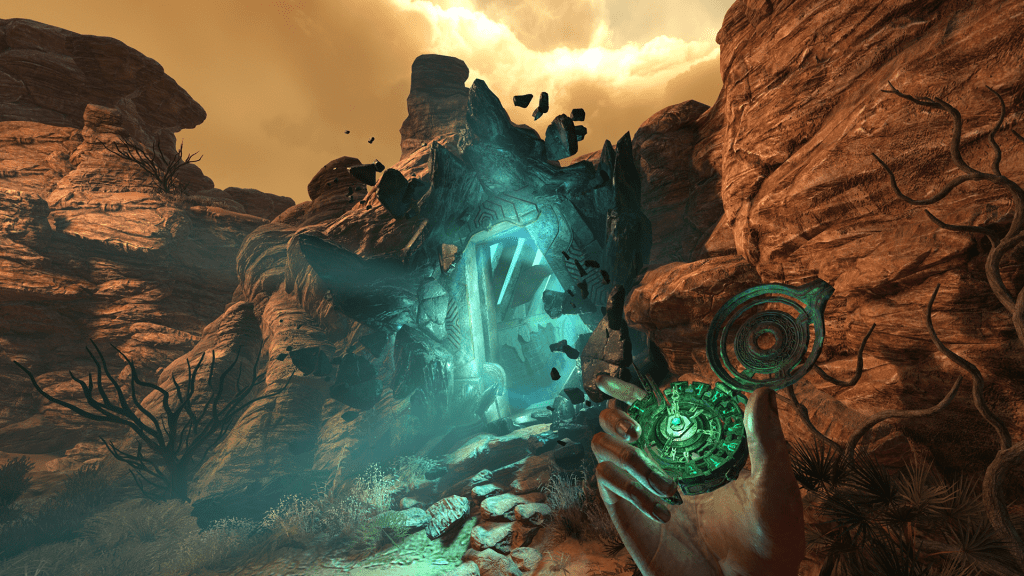
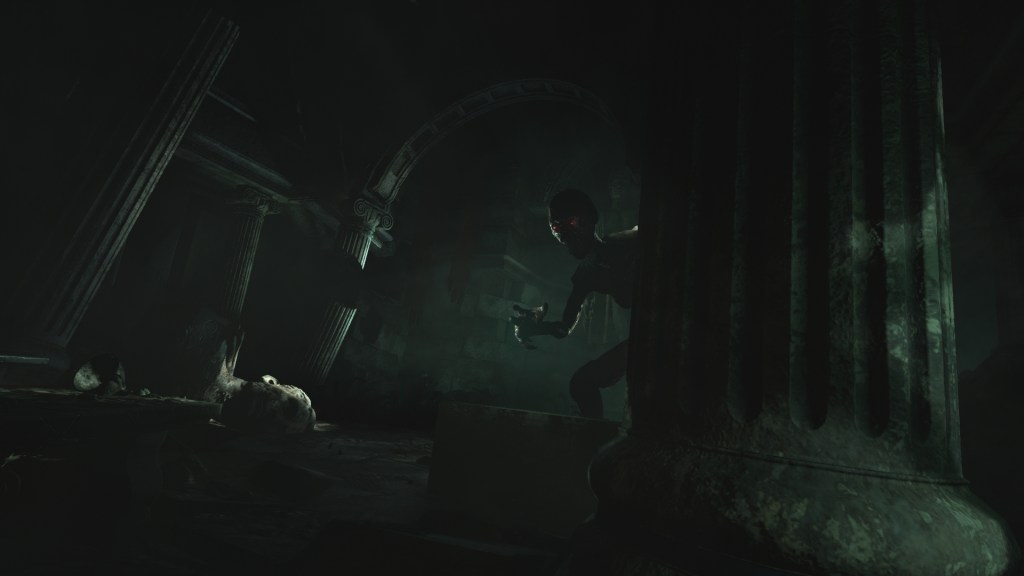
There is one key aspect of Amnesia: Rebirth that makes this title as excellent as it is, one component that outshines everything else the game has to offer: atmosphere. In the beginning of the title, you are stranded via a supernaturally induced plane crash in the middle of a Middle-Eastern Desert in the 1930’s, with no satellite phone being invented yet to call for help. You wake up on your own and with barely any recollection of your past, and the game immediately drives home the point that you are isolated without allies, but not necessarily entirely alone; you are instantly hit with the sense of being watched with malicious intent, it’s apparent and further implemented deeper subtlety over time. This unsettling feeling is amplified even more due to your only human contact (corpses aside) being provided through regaining memories, which introduces compelling characters without even talking to them face-to-face. These relapses of memory are quite frequent, and therefore the player is consistently being provided meaningful exposition and backstory on a sprawling cast of characters with each slice of memory retained. When you’re not traipsing over the scorching dunes or restoring your memory, more often than not you’ll find yourself in a cave or some other underground area; which is where the horror of Amnesia: Rebirth shines and is put on full display. The unsettling atmosphere ramps up significantly in these sections, mainly due to the sound design. From the drops of water plummeting from the ceiling and smacking into the stone beneath you to infiltrating winds blowing through miniscule cracks of light and swooshing throughout the cave, the hollow emptiness of the noises around you really drives home the aforementioned sense of isolation and the fear of being lost in an unknown, desolate land. These sections in particular, and especially when in a confined, dark passage, personally give me a sense of claustrophobia; and I’m not even the slightest bit claustrophobic in real life! That, right there, is incredible fear factor that this game achieves so easily, which many other horror titles fail to come remotely close to even with much more, although forced effort. Additionally, at one point during my exhilarating underground escapades of Arabia, I discovered a special compass with supernatural properties. I won’t spoil the narrative specifics of this contraption, but it does allow the player to travel between two different worlds, or realities, or planes of existence: one of those three nonetheless. Going back and forth between the two worlds is not only a neat gameplay element, but it also provides the player with an amplified feeling of uneasiness by making it a bit difficult to discern what truly is “reality”. As I stated previously, however, I won’t speak a word of the story as that is the main reason to play through this title to the end; but what I will say is that the plot is immensely intriguing and dabbles in biblical/religious history and mythology from multiple cultures/civilizations embedded with supernatural elements, themes, and legends.
Image Credit: Frictional Games
But that’s enough about the atmosphere of Amnesia: Rebirth, because the intricate gameplay must be mentioned as well. First and foremost, the amount of items the player can interact with and examine is absurd compared to titles of any genre, including point-and-click adventure games. Almost every item is interactable, allowing the player to engage the environment with an unparalleled level of detail and finesse. The other main component of the gameplay is the fear mechanic, which I’m mostly indifferent to. Whenever you don’t have light in a darkened area or see something disturbing, your character’s fear level increases; if it increases too much, you’ll reach a game over. It makes sense narrative wise due to the main character’s history with mental health, but can be irritating in gameplay when you find yourself out of matches and trying to locate the route to progress.
Image Credit: Frictional Games
Regarding visuals, the graphics on display in Amnesia: Rebirth are adequate for the $30 USD retail price point. The art-style opts for a stylized appearance over photorealism, which fits the genre and game with no conflicts regarding the narrative or theme. In particular, the art-style is radiant when the player is present within the alternate plane of existence. Also, there aren’t an exorbitant amount of graphics options to fine-tune, but the necessary ones for the majority of players are there. Overall, Amnesia: Rebirth is a strong and formidable contender for the best horror game of 2020, and I believe it’s well-worth any horror fan’s time: this is a title to remember (and I will never apologize for any of these puns).
Thank you to 505 Games & All in! Games for providing the early review copy.
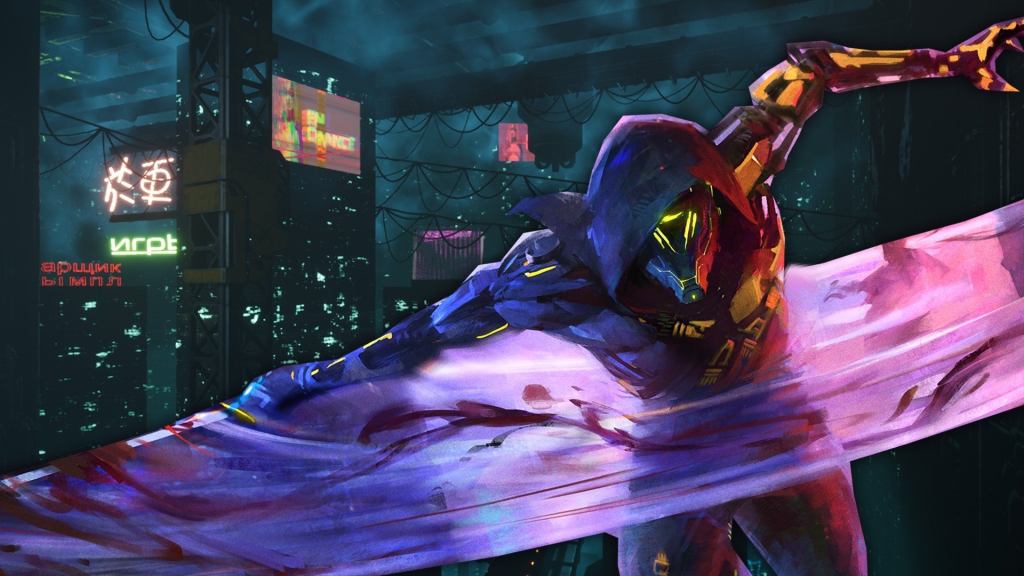
Ghostrunner is a title that I desperately wanted to love, and in some regards I do. The combination of first-person, parkour platforming in a dystopian cyberpunk setting, mixed with incredibly fast-paced combat whose difficulty is in the vein of Superhot is an excellent blend for a game, at least in theory. Two of those ingredients are superb, but there’s one that unfortunately, for the most part, tarnishes the entire experience. Because of that tainted ingredient, I was unfortunately unable to complete the game, and so this won’t be a full review with a final score; think of this as just my unfiltered, honest thoughts of the title based on the three or so hours I have played. Before we delve into that, however, the positive aspects of this game are undoubtedly worth mentioning as they are near phenomenal. To start, we’ll discuss the strongest part of the experience: combat. As previously mentioned, the combat featured in Ghostrunner draws inspiration from Superhot, yet at the same time is its polar opposite. Your character still dies in one hit, like the aforementioned Superhot, but unlike it time doesn’t only progress when you move. Instead, Ghostrunner encourages the player to constantly be on the move to avoid sustaining a fatal blow. This inverse is impeccable, and results in the combat being high-octane and adrenaline inducing. The one shot health increases the challenge, which forces the player to rely on not only speed but precision as well. The katana you brandish is the perfect weapon for this gameplay blend (although it doesn’t always work when trying to deflect bullets), and your character’s movement while dispatching enemy after enemy is extremely fluid, from running and sliding to dodging and weaving. There aren’t an absurd amount of inputs needed to pull these movements off either, as controls are minimal but intuitive. Next, let’s discuss the second compelling component of Ghostrunner: the setting. While the story is intriguing at first, I don’t know much past the initial three hours to fully judge it. However, from what I have played it shows great promise with its interesting, slightly unique premise that I won’t spoil here. The setting, though, fits the story and gameplay themes splendidly with a gorgeous digitized art-style that obviously borrows some elements from the beloved Shadow Warrior series. Furthermore the graphics, especially for a $30 USD title, are exceptional and fit the art-style perfectly. This is where my praise for Ghostrunner comes to an end though, as the final topic to be covered, platforming, is utterly abysmal and abhorrent.
Credit: 505 Games & All in! Games
I died to platforming sections at an exorbitant degree compared to gunfire. In short, the platforming level design is too intricate and requires far more precision than the gameplay mechanics allow, and the title doesn’t provide the player with any checkpoints mid-way through these sections (and before anyone asks, I’ll provide examples). The most often occurrence would be attempting a wall-run and sliding off of said wall and dying, even though my character clearly made contact with the surface. There were also instances of using the grappling hook successfully at first, but then being detached mid-transit or slamming into the hooks and falling. Other times, merely trying to scale a raised platform of unsubstantial height would result in yet another cycle of face-planting and falling to my doom. Finally, the dodge mechanic is inconsistent to say the least, as I had bullets track me through dodges and still kill my character. Ghostunner, overall, shows brilliant promise and potential with its gameplay, combat, setting and story; but is completely undermined by some of the most egregiously busted platforming mechanics I have ever experienced. I would wager a patch or rework of some of the level-design is necessary before expecting players to shell out their hard-earned cash.
Reviewed on Xbox One X (also available on PS4 & PC)
Introduction
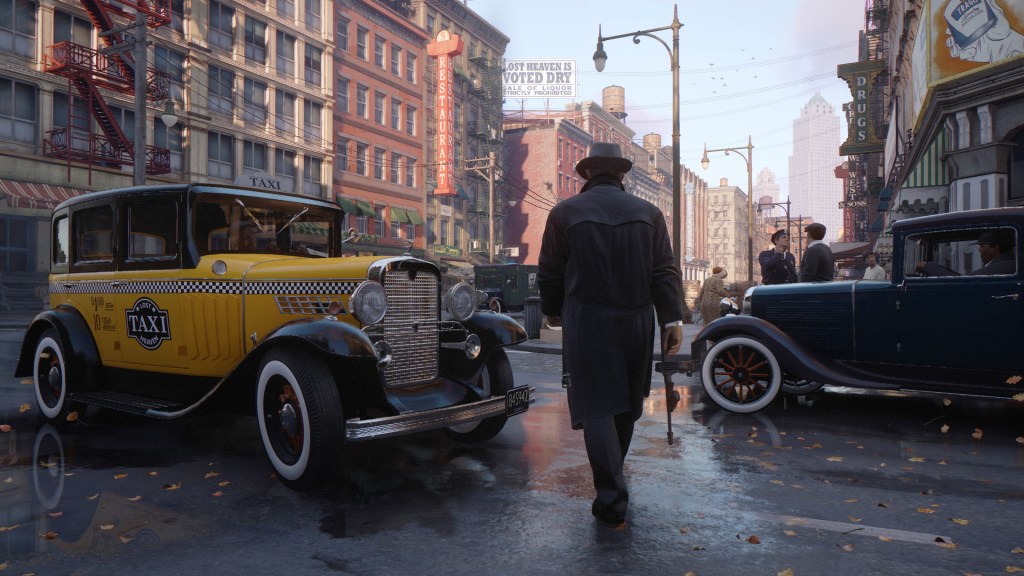
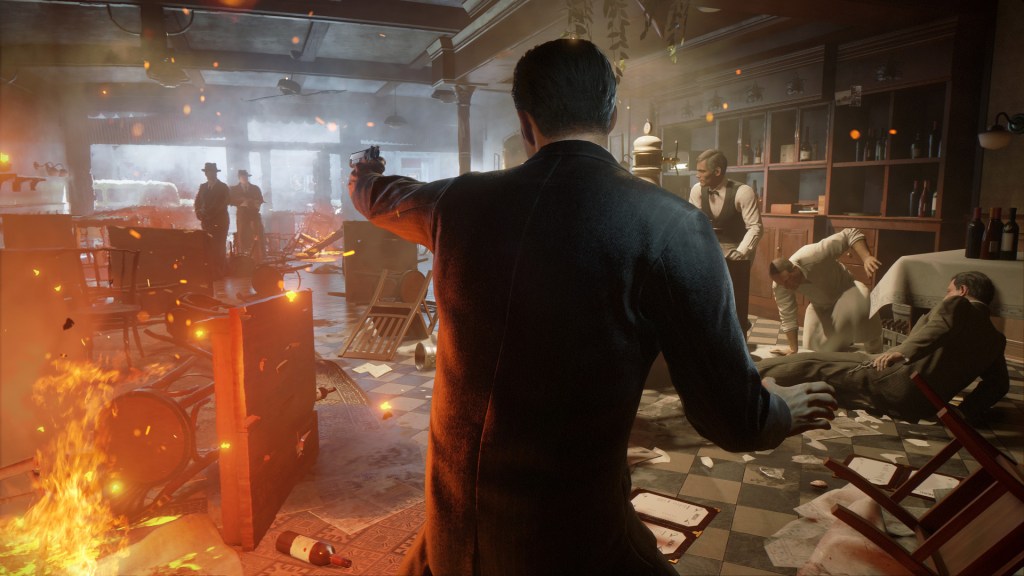
When I returned to Lost Heaven, I truly felt as if I was in a dream of pure bliss. While the camera was soaring through the skyline of the city during the iconic intro, I was blown away. With every passing second, more and more of remade Lost Heaven became visible, and every scene was more beautiful than the last. As one of the few reviewers of this game that actually played (and loved) the original Mafia from 2002, I felt like this was a love letter composed directly to and for die-hard fans of the original classic, and that was my opinion just from the introductory cinematic! When it was over and I “accepted” that infamous life-changing cab fair as Tommy Angelo, that opinion was firmly solidified. In case you don’t plan on reading the full review, there’s one thing you have to know: if we’re going by definition, this is the best remake I have ever played. It is completely faithful to the original and doesn’t majorly alter anything in the story, nor did it change any core gameplay mechanics outside of refining them for the modern day/current generation. If you played and enjoyed the original, stop reading this review and go out and buy Mafia: Definitive Edition right this second, capisce? If you haven’t and you’re unsure of what the game even entails, and you don’t rightly know if you want to make the purchase, let me take care of that; all you have to do is keep on scrolling paisan.
Image Credit: Valve/Steam
Narrative
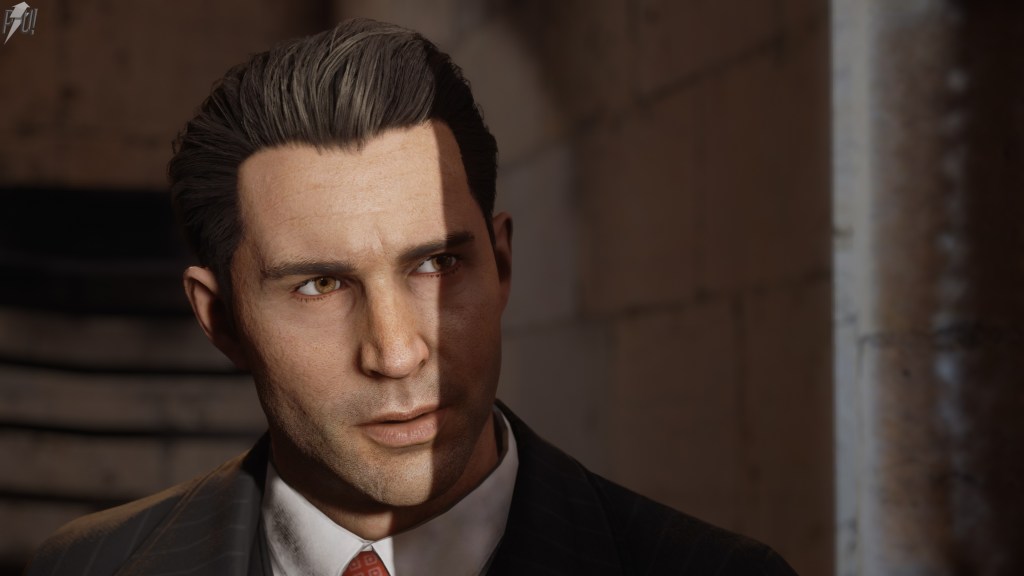
For the uninitiated, I’ll provide a brief synopsis of the early story and main protagonist to set the stage for the narrative discussion. Don’t worry, however, because even though the game is eighteen years old I won’t be elaborating on any spoilers or major plot events here. In the prologue, you start off as a cabbie by the name of Tommy Angelo, living an almost impoverished life on the straight and narrow in Lost Heaven (Chicago) in the year 1930. One night after completing a run-of-the-mill fair, you see two sharp-dressed gunmen running away from men of similar appearance who are firing on them. Rapidly running out of options, the two gunmen find you, and your cab, and put a gun to your head (this is a fair you can’t refuse). After begrudgingly complying, Tommy puts his foot to the gas in one of the most iconic openings to a game ever made, bobbing and weaving all over the place by driving like a madman in order to escape his pursuers. After losing their tail, the gunmen inform Tommy to take them back to their boss at Salieri’s Restaurant in Little Italy, where he’ll be compensated for his trouble. Tommy drops them off, and after a few tense minutes of awaiting the unknown, they come back out with an envelope of more money than he’s ever seen. Tommy got a small taste of the high life, but he wasn’t hooked just yet. He continued on the path of law abidance for a few more days, but during a fair was identified by one of his pursuers from the other night. Tommy was beaten along with his cab, but saw an opportunity to escape and took it. Running through alleyways and over obstacles, he makes it back to Salieri’s where he’s saved by the men he met the other night. After having a conversation with their boss, Tommy decides it’s time for payback, and his new life begins. That’s as specific as I’m going to get when it comes to plot details, as the real story begins after that. Nonetheless, though, the narrative exponentially becomes more and more captivating, enthralling, and exhilarating with every passing chapter. The plot and characters are incredibly well-written, with no dialogue or story beat being forced without proper build-up/exposition. Speaking of the characters, the new voice actors are phenomenal (I’d argue better than the original), especially when it comes to Tommy, Detective Norman, Paulie, and Sam; they breath believable life into their characters with every word spoken. Characters are also slightly more fleshed out than they were in the original, due to small added cutscenes that include more story details/dialogue that are a really nice touch by Hangar 13. They don’t impose themselves whatsoever, as they add more exposition and worldbuilding, along with further insights into characters such as Tommy and Sarah that were previously unseen/unknown; they are a fine addition and most welcome in my opinion. The story of the original Mafia has always been a fantastic classic and the best part of the experience, and this modern re-telling only enhances and expands upon the iconic narrative without negatively changing the soul of the beloved game.
Image Credit: Mafia Game
Gameplay
The gameplay in Mafia has always been the backdrop for the impeccable narrative, but that doesn’t indicate it’s subpar by any means. The best way I can describe the remake’s gameplay style, however, is a hybrid mix between a refined/smoother version of the original Mafia and Mafia III. It’s not bad, and although it’s not significantly altered from the original I still prefer the remake’s gameplay style, but it does have its fair share of flaws. Combat is where I experienced most of my gameplay gripes with Mafia: Definitive Edition, so that’s where I’ll start. Melee combat is nothing out of the ordinary; one of the only things worth mentioning about it is that the counter-attack doesn’t always work properly, resulting in Tommy taking an unfair hit, but it’s not a common issue. In addition, the camera can follow a bit too close to the player at times, resulting in getting struck by a melee attack out of view for instance. The gunplay, however, is solid and highly comparable to Mafia III‘s, but I feel it’s more inaccurate due to the larger crosshair present in the remake (which is a strange design choice in my opinion). This is one factor that results in the game’s hit registration being inconsistent, to say the least. A lot of the time, particularly with non handgun firearms, the crosshair will be red over an enemy but the shot will still miss when fired. This happens very often, and is pretty frustrating when it occurs multiple times in succession. Another inconsistent aspect of combat is damage received by the player. For example, majority of the time it takes four to five handgun rounds to die on normal difficulty, but there could be an instance where the player will die by two shots instead for no apparent reason. This doesn’t happen that much, but is still worth mentioning. On another two separate occasions, I burned to death from molotovs that had impacted near by but did not touch me whatsoever; there’s quite a bit of inconsistency when it comes to damage intake in Mafia: Definitive Edition. The cover system isn’t that reliable as well, as I died a few times due to the game forcing me into the wrong cover upon the input command, or because my player model got turned around by bumping into a box or crate. It works for the most part, but when it doesn’t it’s nothing short of infuriating. The final aspect of gameplay that we’ll cover is driving, and it can be extremely grueling. The vehicle handling is period accurate, but that doesn’t always allow for the best gameplay experience. Driving in the rain is painful and slow, and in a particular chase during a stormy mission is near unbearable. Regardless of rain or shine, however, civilian driver NPC’s will crash into you a lot, as their AI pathing could stand to take a tweak or two; so drive carefully. However, I am ecstatic to report that the absurd difficulty of the infamous race early on in the game has been toned down, but that doesn’t mean the problem has been solved. It’s still an awful, terrible portion to play through with your opponents’ AI still being unreasonably highly skilled. In Hangar 13’s defense, though, I don’t believe there’s much they could’ve done to fix that due to the nature of how those cars handle in real life. They could’ve removed the segment entirely, but that would’ve upset a large portion of the community. They could have, however, just made it into a cutscene; and I don’t think anyone who suffered through the original race would really mind. Overall, Mafia: Definitive Edition‘s gameplay is a modernized recreation of the original with some elements of M3 sprinkled in here and there, and I think fans will be satisfied with the final result: for the most part.
Image Credit: Valve/Steam
visuals and atmosphere
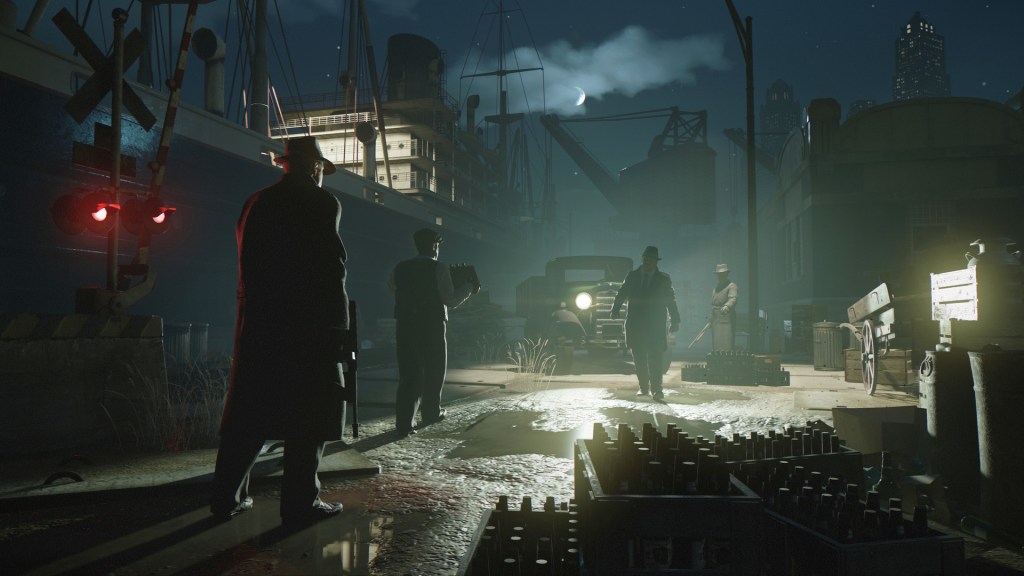
The graphics of Mafia: Definitive Edition are frankly a sight to behold. Beautifully rebuilt from the ground up, the city of Lost Heaven radiates the new life that has been bestowed upon it. The lighting, shadows, foliage, buildings, streets, car models, character models, gun models, and everything in between is magnificent compared to the original, and is still a significant upgrade from Mafia III to boot. In particular, the gorgeous weather effects instituted further illustrate the attention to detail of the remake, and even the skybox has seen a massive improvement from M3 as well. Even though completely remade, the game world still retains the immersive, gritty yet classy atmosphere of the original Lost Heaven. It hasn’t skipped a beat; and new, small added details such as your car radio becoming muffled and cutting in and out while you’re driving through a tunnel are appreciated, and only further enhance the immersion. Furthermore, the soundtrack only bolsters the experience, as the re-recorded orchestral score shines brightly in the title whenever it’s present. The radio stations have some great period-appropriate tracks as well, and although there are only two stations in the title it gets the job done well. The atmosphere that Lost Heaven provides is still the same wondrous work of art it always has been, and the modern visuals only enhance and exemplify that.
Glitches
It gives me a lot of joy to say that I only experienced two glitches throughout my entire playthrough of Mafia: Definitive Edition, and they were just minor bugs at that. Stealth wasn’t always accurate in my experience, as I got spotted from behind cover on two separate occasions. The checkpoints were not far behind me, though, so it wasn’t that much of a problem. The other glitch I experienced annoyed me a bit more as it happened so fast. It was during another stealth mission, where an enemy had spotted me out of the corner of his eye. Before I could even react, I was shot, which raised the alarm resulting in a mission failure. The problem? The gun wasn’t even in the enemy’s hands when he shot me, only appearing afterwards. It was completely unfair and a load of bull, but this only happened once so I digress. Mafia: Definitive Edition is nearly glitch-free, which you can’t necessarily say about most modern releases. Well done Hangar 13, this is a significant improvement from Mafia III.
Image Credit: Valve/Steam
Conclusion and final score
As I said in the beginning, Mafia: Definitive Edition is by far the best remake I have played up to this point in time. It is one-hundred percent faithful to the original, not altering the story in any way besides providing some more minor exposition and detail regarding beloved, classic characters. The gameplay is still a bit rough around the edges in certain places, but overall is a gigantic improvement over the 2002 original and is by far more accessible. The visuals and graphics have been completely rebuilt from scratch, but was done so with the utmost respect for the original, and in doing so retained the same incredible atmosphere. The experience wasn’t tarnished by an exorbitant amount of glitches either, as the only ones present are miniscule in the grand scheme. Mafia: Definitive Edition has reignited the fire of this slumbering franchise, and I must thank Hangar 13 for that. I won’t lie, I thought the series was nearly dead after Mafia III, having completely lost its identity and what made Mafia “Mafia”. But I believe in second chances, and this remake shows that Hangar 13 has finally come to realize what makes this beloved IP so special to so many. For the first time in a long time, I’m highly optimistic about the future of Mafia, and I can’t wait to see where the franchise goes next from here.
Time for another conspiracy theory. Now we all expect Bethesda’s library of games to make its way to Game Pass eventually. What we don’t know is when the games will start to be available. That was until today. We now know that Doom Eternal will be arriving to Game Pass soon due to a teaser by the Game Pass twitter account.
Melissa said not to drop hints so we're not dropping hints. there are absolutely no hints in this screenshot. don't bother looking for them. there are none pic.twitter.com/0PQ41B260S
If you look at the photo you can tell they are hinting at something but it isn’t obvious until you dive a little deeper. If you look at every capital letter, it spells out “LOOK BELOW.” If you look below you don’t see anything crazy. Until you really look and see that “THE SLAYER IS COMING.” It is in super faded text so it is hard to see.
Thankfully, a user on twitter used a filter to make it easier to read.
It’s Doom! Here’s the nice hidden text below – it’s nearly the same color as the background, but you can draw it out by adjusting the photo’s contrast etc. (try it yourself if you don’t believe it) pic.twitter.com/0axOhYzm69
This is perfect timing since the new story expansion will be arriving on October 20th. Game Pass users receive 10 percent off the DLC. I would expect the rest of Bethesda games to continue joining Game Pass in the following months.
Earlier this morning, Microsoft announced that Bethesda Games Studios would be joining the Xbox family. According to them, the deal cost $7.5 billion to make and should close sometime in the latter half of next year. A press release was also written up by Phil Spencer himself, where he said
“Today is a special day, as we welcome some of the most accomplished studios in the games industry to Xbox. We are thrilled to announce Microsoft has entered into an agreement to acquire ZeniMax Media, parent company of Bethesda Softworks. As one of the largest, most critically acclaimed, privately held game developers and publishers in the world, Bethesda is an incredibly talented group of 2,300 people worldwide who make up some of the most accomplished creative studios in our industry…”.
All of Bethesda’s owned studios will now be developing first-party IP’s for Microsoft, including “…Bethesda Softworks, Bethesda Game Studios, id Software, ZeniMax Online Studios, Arkane, MachineGames, Tango Gameworks, Alpha Dog, and Roundhouse Studios.” according to the same press statement.
This means that series such as The Elder Scrolls, Fallout, DOOM, Quake, ESO, Dishonored, Prey, Wolfenstein, The Evil Within, Starfield, and many more will become exclusive to the gradually growing gaming giant’s platforms/services. In addition, all previous Bethesda titles will be made available on Xbox Game Pass as a bonus.
This is a massive win for Microsoft and Xbox exclusive titles, and they were in desperate need of one. Earlier this year, it was heavily rumored that Microsoft would be acquiring WB Games as their flagship studio, but that fell apart when WB decided to keep their gaming division after deeming it too valuable. Besides having Halo, Forza, Gears, and Obsidian, Microsoft didn’t have much to offer compared to Sony’s first party-titles, that is until now. For more updates on the surprise acquisition and all things Xbox, stick around at The Game Preview.
Thank you to Crytek for providing a review copy. (Reviewed on PC)
Introduction
First off, I want to make it clear that this review will be based on the merits of this title being a remaster, not necessarily the content of the original game itself. This review will also be short in comparison to other titles that have been covered here at TGP, as Crysis Remastered is an abhorrent technical disaster (so much so that it prevented me from completing the game in its entirety). The fantastic core gameplay, level design, and open-ended nature of the title and its mechanics are all still there, but that doesn’t make up for the numerous blaring flaws that are littered throughout. In short, stick to the original Crysis if you’re interested in another playthrough, as this remaster will leave you feeling sheer disappointment.
Image Credit: Crytek
Narrative, Gameplay, and Graphics
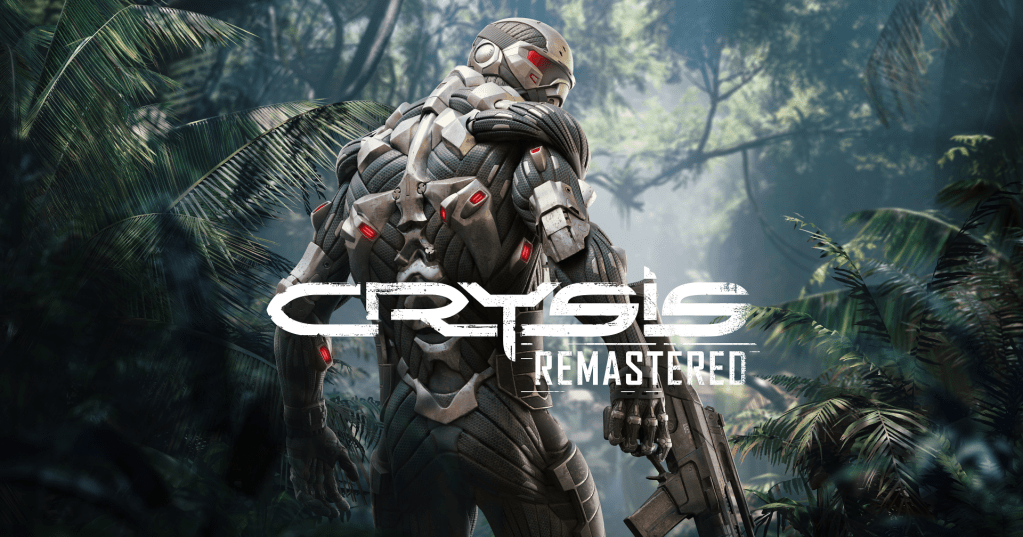
We all know the story of the original Crysis, but I’ll briefly discuss it here regardless. You are part of a United States spec ops team kitted out with futuristic nanosuits, which give you massive advantages over your enemies such as more armor, a cloaking function, a ludicrously fast running speed, and super strength to name the main abilities. You and your team are then dropped into North Korea to rescue a team of archaeologists, who went dark and are presumably being held hostage by NK leadership. However, not all is as it seems on the surface of the island, as something long forgotten buried beneath has awoken. I won’t spoil anything further, but in short the story gets the job done while being nothing to write home about. The gameplay, however, is always where Crysis has shined brightest. It’s incredibly fun, and requires solid strategy and decent marksmanship to survive encounters/ambushes. These combat scenarios are usually unique, forcing the player to adopt new tactics to come out on top. In particular, I recall playing a game of “cat and mouse” with cloaked enemies that had acquired their own nanosuits in a foggy graveyard, and switching from hunter to hunted while awaiting evac was exhilarating. Most combat scenarios, however, much like the level design itself are open ended; so you can attack the majority of objectives in any manner that you choose. Furthermore, checkpoints are limited compared to modern shooters, but that adds additional challenge which I personally welcome with open arms. There are some instances, though, where hit registration can be a bit finicky, and that combined with some enemies being bullet sponges is immensely frustrating (be sure to always aim for the head). When it comes to the topic of visuals, mostly everything has been enhanced but not to an extreme degree. However, the lighting, water reflections, foliage, shadows, and textures have all been noticeably enhanced, but not as much of an improvement compared to other remasters of late (especially when the game in question is thirteen years old with the original still being a viable option for players). Unfortunately, I have no further praises for Crysis Remastered, as the rest of this review will be a well-deserved critique.
Image Credit: Crytek
Glitches, Glitches, and Glitches
To put in bluntly, this is the most broken remaster I have ever played and should have never been released in this state. I played this on a high-end PC and had a myriad of issues, but apparently the Xbox One X version is completely unplayable to boot (not much word on PS4 performance, but I wouldn’t hold out any hope for a better experience on there). In fact, I suffered through so many blaring glitches that I truly wonder if there was ever any QA Testing done whatsoever. Below are the technical bugs I witnessed in my time with Crysis Remastered:
Game crashed as soon as I started a new game four times, even after updating drivers and lowering settings
Forced to play game on medium settings so it wouldn’t crash on startup, even though my rig is absolutely capable of running a game from 2007 (even though remastered) on higher settings
Instances where random shadows glide across the ground for no reason
A lot of pop in and pop out
Flickering textures (especially with trees)
Egregious audio skipping
Enemies driving invisible vehicles
Enemies spot you through walls from yards away
No subtitles even though I enabled them
Unnecessarily long loading times
Instance where game black-screens on loading into mission, requiring restart
Conclusion and Final Score
I can definitively say that Crysis Remastered is not worth the purchase at this current moment in time. Although the core gameplay is still incredibly solid and intuitive with a slightly interesting premise as the backdrop, you can still find and play that in its entirety with the original game (which still looks fantastic, by the way). This remaster has no benefits or advantages over the original release of the title, as you’re essentially paying for a glitch-ridden downgrade. If the issues listed above are patched then the visual enhancements would probably make the game worth the money at a slight sale, but until then I cannot recommend this game in good conscience. This should have spent a few more months in QA, and absolutely should have been delayed and pushed back much further than it initially was. Overall, Crysis Remastered is the most busted remaster I have ever played, and is unbearable alongside being practically downright unplayable.














 The Game Preview